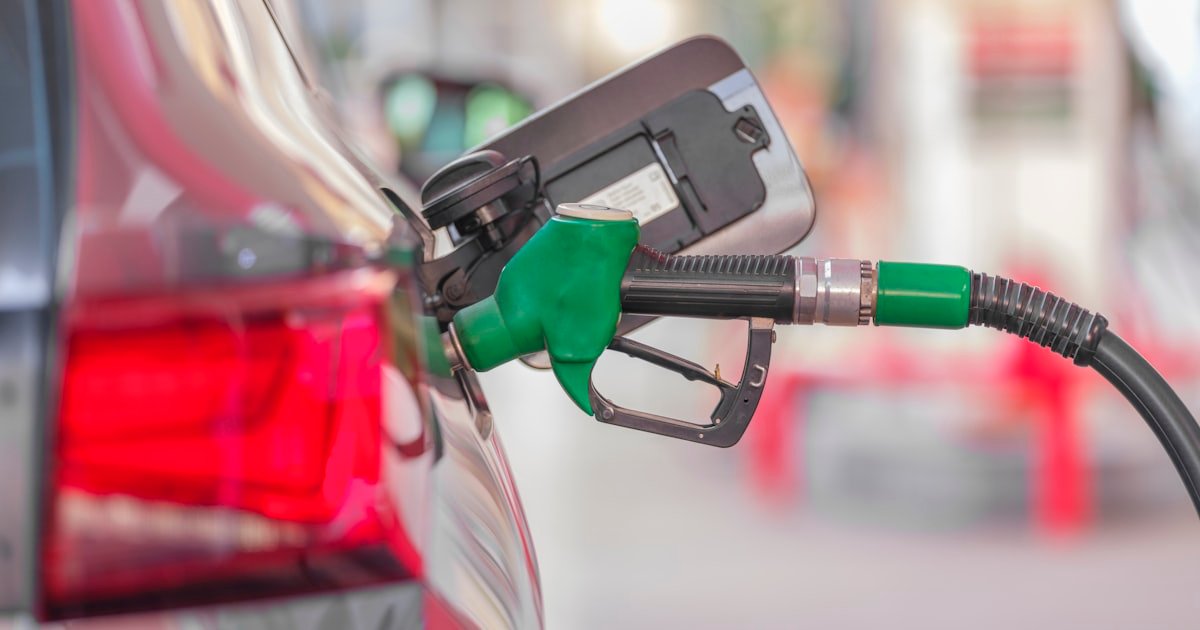
Fuel is one of the largest line items in any fleet budget, and it’s also one of the easiest to skim. If you want to reduce fuel theft in your fleet, the good news is that most of it hides in plain sight: padded fuel receipts, off-route detours to a friend’s car, tank siphoning overnight, and “ghost” refills that never went into a company vehicle. With GPS tracking and a few disciplined habits, you can spot the pattern quickly and close the gaps. This guide walks through seven practical ways to do exactly that.
Why fuel theft is so common (and so hard to see)
Fuel theft rarely looks like theft. It usually looks like a slightly higher fuel bill, a receipt that’s a little too round, or a tank that’s emptier than the mileage suggests. Because each incident is small, it slips past manual checks. Multiply a few skimmed litres per week across a fleet of vehicles and it becomes real money leaking out every month.
The common forms of fuel loss are:
- Fuel card fraud - refuelling a personal vehicle, or buying fuel and reselling it.
- Receipt padding - claiming more litres than were actually pumped.
- Tank siphoning - physically drawing fuel from a parked vehicle.
- Idling and unauthorised trips - burning company fuel on personal errands.
- Inefficient routing - longer routes that quietly inflate consumption.
The fix is visibility. When you can match every fuel purchase to a real vehicle at a real place and time, theft has nowhere to hide.
7 ways to reduce fuel theft in your fleet
1. Cross-check every fuel receipt against GPS location
This is the single most powerful control. When a fuel purchase is logged, ask one question: was the vehicle actually at that fuel station, at that time? With live GPS tracking that updates every few seconds, you can replay the trip history and confirm it instantly. If the receipt says a station across town but the vehicle was parked at the depot, you’ve found your leak. Make this a routine spot-check and word gets around fast.
2. Set geofences around fuel stations and depots
Geofencing lets you draw virtual boundaries on a map and get alerted when a vehicle enters or leaves. Put a geofence around the approved fuel stations and your depot. Now a fuel purchase with no matching “entered fuel station” event is an immediate red flag - because the vehicle was never there. Geofences also catch the reverse problem: a vehicle sitting at a station far longer than a fill-up should take.
3. Monitor overnight and parked-vehicle activity
Siphoning usually happens when nobody is watching - overnight, on weekends, in a quiet yard. Smart alerts can notify you when a parked vehicle’s engine starts unexpectedly, when it moves outside working hours, or when it leaves a geofence at 2am. A vehicle that “wakes up” when it should be asleep is worth investigating.
4. Use driver scoring to cut idling and aggressive driving
Not all fuel loss is theft - a lot of it is waste, and waste is easier to fix. Excessive idling, harsh acceleration and speeding all burn extra fuel. Driver scoring grades each driver on these behaviours, so you can coach the worst offenders and reward the best. Reducing idle time alone often produces a visible drop in the monthly fuel bill.
5. Flag off-route and unauthorised trips
A vehicle that regularly detours off its assigned route is either lost, moonlighting, or making personal stops on company fuel. Trip history and route replay make these detours obvious. Set alerts for trips outside working hours or outside the operating area, and review any vehicle whose mileage keeps climbing without matching deliveries.
6. Reconcile fuel volume against distance driven
Every vehicle has a rough, predictable fuel-per-distance figure. When the fuel purchased suddenly outpaces the distance driven, something is off - either fuel is going into another tank, or receipts are being padded. Because your tracking system already logs accurate mileage, this reconciliation becomes a simple monthly report rather than a guessing game.
7. Make it visible that you’re watching
Deterrence is cheaper than investigation. When drivers know that every trip, stop and fuel purchase is logged and reviewed, casual theft drops sharply. You don’t need to catch everyone - you need everyone to believe they could be caught. A short briefing that “all vehicles are GPS tracked and fuel is reconciled monthly” often pays for itself.
Detection method comparison
Different controls catch different kinds of loss. A layered approach works best:
| Method | Catches | Effort to set up |
|---|---|---|
| GPS receipt cross-check | Card fraud, ghost refills | Low |
| Geofencing fuel stations | Off-site purchases | Low |
| Overnight activity alerts | Siphoning, unauthorised use | Low |
| Driver scoring | Idling and driving waste | Medium |
| Fuel-vs-distance reconciliation | Receipt padding | Medium |
How Fleetile helps you stop fuel theft
Every control above depends on accurate, real-time data. The Fleetile platform gives you live GPS tracking that updates every few seconds, geofencing with instant entry and exit alerts, driver scoring, full trip history and route replay, and 30+ smart alerts you can tune to your working hours. For high-risk vehicles, remote engine cut and immobilisation add a physical layer of protection on top of the reporting. It all runs from one dashboard and from the iOS and Android apps, so you can check a suspicious purchase from your phone in seconds.
If controlling fuel is part of a wider push to cut fleet costs, tackling theft and waste together tends to deliver the fastest, most visible savings.
Frequently asked questions
How can GPS tracking prove fuel theft?
GPS tracking records where each vehicle was at any moment. By matching a fuel receipt’s time and location against the vehicle’s actual position, you can confirm whether the fuel really went into that vehicle. Mismatches - a purchase where the vehicle was never present - are strong evidence of fraud.
Does geofencing stop fuel theft on its own?
Geofencing doesn’t physically block theft, but it makes it visible. Alerts when vehicles enter or leave fuel stations, depots or their operating area help you spot purchases and movements that don’t add up, which is usually enough to deter casual theft and catch repeat offenders.
What’s the difference between fuel theft and fuel waste?
Theft is fuel deliberately taken - siphoning, card fraud, personal trips. Waste is fuel burned unnecessarily through idling, speeding or poor routing. Both inflate your fuel bill, and a good tracking system helps you reduce each: theft through location checks and alerts, waste through driver scoring and route optimisation.
How quickly can I see results?
Many fleets see a measurable drop in fuel spend within the first month or two, largely because drivers behave differently once they know trips and purchases are tracked and reconciled. The deterrent effect is immediate; the reporting refines savings over time.
See it on your own fleet
The fastest way to understand how much fuel you could be losing is to watch your vehicles, fuel stops and alerts on one live dashboard. Get a Fleetile demo and see exactly how tracking, geofencing and alerts close the gaps that let fuel theft happen.
Leave a Reply