Blog

  • Overspeeding Alerts: How Fleets Control Speed Without Micromanaging

    Overspeeding Alerts: How Fleets Control Speed Without Micromanaging

    Speeding is the one fleet problem that damages everything at once. It raises fuel consumption, increases accident severity, accelerates tyre and brake wear, and is the behaviour insurers ask about first. Overspeeding alerts are how fleets get a grip on it, by turning speed from something discovered after an incident into something visible while it is happening. This guide covers how speed alerts work, how to set thresholds that drivers accept, and how to turn the data into fewer speeding events rather than more arguments.

    How overspeeding alerts work

    A GPS tracking device calculates speed continuously from the vehicle’s changing position, or reads it directly from the vehicle where a connection allows. That figure is compared against a limit, and when the vehicle exceeds it for longer than a short grace period, an alert is generated and sent to whoever should know.

    The grace period matters. Without it, a momentary reading while overtaking or descending a hill produces an alert, and a system that cries wolf gets ignored within a week. A short sustained-breach requirement filters out noise and leaves genuine speeding.

    There are two ways to define the limit, and mature fleets use both:

    • Fixed fleet limit: a single maximum speed for a vehicle type, regardless of road. Simple, predictable, and easy for drivers to understand.
    • Road speed limit: the alert compares vehicle speed against the posted limit for the road it is actually on. More accurate, and it catches the more dangerous problem of speeding on a slow road, which a fixed highway-based limit would miss entirely.

    Why a fixed limit alone is not enough

    Consider a fleet that sets one limit for its vans. A driver doing well over the posted limit through a narrow residential street is nowhere near that fleet limit, so no alert fires. Meanwhile a driver sitting slightly above it on an open highway triggers one. The system is flagging the safer behaviour and ignoring the dangerous one.

    Comparing against the road’s actual limit fixes this, and it also makes the alert defensible in conversation. Telling a driver they were well above the posted limit on a specific street at a specific time is a fact. Telling them they exceeded an internal number that has no relationship to the road they were on invites an argument you will probably lose.

    Setting thresholds people accept

    The fastest way to make a speed programme fail is to set thresholds so tight that good drivers trigger alerts daily. Three principles keep it credible:

    1. Allow a small tolerance. Speedometers and GPS readings differ slightly, and traffic flow requires brief variation. A modest allowance targets genuine speeding rather than measurement noise.
    2. Require duration. A sustained breach is a decision. A momentary one is usually a manoeuvre.
    3. Differentiate by vehicle and road. A loaded truck and a light van do not have the same safe speed, and a motorway is not a city street.

    Then normalise the reporting. Count speeding events per hundred kilometres rather than as a raw total, otherwise your highest-mileage drivers will always look like the worst offenders regardless of how carefully they drive. This is the same principle covered in fleet management KPIs.

    Who should receive the alert

    Recipient Best for Effect
    Driver, in the moment Immediate correction Strongest behaviour change, no confrontation
    Supervisor, immediately Serious breaches only Fast intervention where it is warranted
    Weekly summary to manager Patterns and coaching Identifies who needs support, not one-off events

    The most effective setup sends routine feedback to the driver and escalates only significant breaches. Feedback delivered close to the event changes habits far more reliably than a monthly review, by which point nobody remembers the trip in question.

    Turning alerts into fewer speeding events

    Alerts alone do not reduce speeding. What reduces it is a routine built around them.

    Start with a baseline over a few weeks so you know the current picture per driver and per route. Share individual figures with drivers, since most genuinely do not know how they compare. Look for patterns before people: repeated speeding on the same stretch at the same time usually means a schedule that cannot be met legally, and no amount of coaching will fix a timetable problem. Then coach the outliers individually, and recognise the consistently good drivers, because a programme that only ever produces criticism gets resented and quietly resisted.

    This is the same approach that works for driving style generally, covered in driver behaviour monitoring, and speeding usually forms part of an overall driver score rather than sitting on its own.

    What speed control is worth

    Reducing speeding pays back in several directions at once: lower fuel consumption, since drag rises steeply with speed; reduced accident severity, since impact energy rises with it too; less wear on tyres and brakes; and a safety record that supports better insurance conversations. It also protects your reputation, because a branded vehicle driven badly is the most public advertisement a company can buy. The fuel side connects directly to improving fleet fuel efficiency, and the alerting and reporting behind all of it are part of the Fleetile platform.

    Frequently asked questions

    How do overspeeding alerts work?

    The tracking device measures vehicle speed continuously and compares it against either a fixed fleet limit or the posted limit of the road the vehicle is on. When the vehicle exceeds that limit for longer than a short grace period, an alert is sent to the driver, a supervisor, or both, depending on how the rules are configured.

    Are GPS speed readings accurate?

    GPS-derived speed is accurate enough for fleet management and is often closer to true speed than a vehicle’s own speedometer, which typically reads slightly high by design. Brief anomalies can occur where satellite reception is poor, which is another reason to require a sustained breach before raising an alert.

    Should alerts go to the driver or the manager?

    Ideally both, with different thresholds. Routine feedback to the driver in the moment produces the strongest behaviour change without confrontation, while managers should receive serious breaches immediately and a weekly summary for coaching patterns.

    What is a reasonable speeding tolerance?

    Enough to absorb measurement differences and normal traffic variation, but not so much that real speeding passes unnoticed. Set it once, explain it clearly, apply it consistently, and review it after a few months against what the data actually shows.

    Can speed limits be enforced automatically?

    Some vehicles support speed limiters mechanically, but tracking systems monitor and alert rather than physically restrict speed. In practice, consistent visibility combined with prompt feedback changes behaviour effectively without needing to intervene in the vehicle itself.

    See speeding as it happens

    Watch a live speed alert fire, then replay the trip that produced it. Get a Fleetile demo and see how speed monitoring works in practice.


  • Trailer and Container Tracking: How to Track Unpowered Assets

    Trailer and Container Tracking: How to Track Unpowered Assets

    Vehicle tracking is a solved problem because vehicles have engines, and engines have power. Trailer tracking and container tracking are harder for exactly that reason: a trailer sitting in a yard has no power source, no ignition to signal activity, and often no fixed home. It also spends most of its life detached from whatever last towed it, which is precisely when it goes missing, gets used by someone else, or quietly sits idle for weeks while you pay for it. This guide covers how tracking unpowered assets works and what to look for.

    Why unpowered assets get lost

    Ask a logistics operator how many trailers they own and you will get an exact number. Ask where each one is right now and the answer becomes vaguer. Trailers and containers move between sites, get dropped at customer yards, get borrowed between depots and occasionally do not come back. Because no single person is responsible for one at any given moment, nobody notices when it stops being where it should be.

    The result is a familiar set of costs: renting extra units while owned ones sit forgotten, staff time spent phoning around to locate an asset, demurrage on containers not returned in time, and outright loss. Each of these is a visibility problem before it is a money problem.

    How trailer and container tracking works

    The tracking principle is the same as any GPS device, explained in our guide to how GPS vehicle tracking works. The difference is entirely about power. Without a vehicle battery to draw from, an asset tracker has to run for a long time on its own, which shapes everything about how it behaves.

    There are three common approaches:

    Type Power source Reporting Best for
    Long-life battery tracker Internal battery, often lasting years Scheduled: a few times a day, more when moving Containers, skips, plant, dropped trailers
    Solar-assisted tracker Small panel plus battery Frequent, near-continuous while charged Trailers and equipment kept outdoors
    Powered when connected Trailer electrical connection when coupled Live while towed, low-power when parked Trailers that are regularly coupled to tractors

    The trade-off is always the same: report more often and the battery drains faster. This is why asset tracking is usually designed around scheduled check-ins rather than the second-by-second updates you would expect on a vehicle.

    Motion-triggered reporting: the practical compromise

    The smartest asset trackers solve the power problem by changing behaviour based on movement. While the trailer is parked, the device reports its position a small number of times per day, which is entirely sufficient for something that is not going anywhere. The moment its motion sensor detects movement, it wakes up and reports far more frequently.

    This gives you the two things you actually need: a reliable answer to “where is trailer 14” at any time, and live tracking during the periods that matter, whether that movement is a scheduled trip or a theft. It is also why battery life claims should always be read alongside the reporting profile they assume.

    What tracking changes day to day

    • Utilisation becomes visible. You can see which trailers are working and which have not moved in a month, which is usually the fastest route to reducing rental spend.
    • Yard checks stop being manual. A map replaces the walk-around and the phone calls.
    • Detention and demurrage become provable. Geofenced arrival and departure timestamps show exactly how long an asset sat at a customer site.
    • Theft is detected quickly. Movement outside expected hours triggers an alert instead of being discovered days later.
    • Maintenance can be scheduled. Distance travelled per trailer supports servicing based on use rather than a fixed calendar.

    Geofencing does much of this work, and the same principles covered in geofencing for fleets apply to yards, depots and customer sites.

    Choosing an asset tracker

    Work through these in order:

    1. Battery life at your reporting rate. Ask for the figure at the profile you will actually use, not the best case.
    2. Motion-triggered wake-up. Without it you are choosing between poor battery life and poor visibility.
    3. Mounting and environment. The device will live outdoors through rain, dust and heat, and it needs to attach somewhere concealed and secure.
    4. Tamper and removal alerts. Anything detachable will eventually be detached, deliberately or otherwise.
    5. One platform for everything. Trailers on one system and vehicles on another means nobody sees the whole picture.

    That last point matters more than it first appears. The value of trailer tracking multiplies when it sits beside vehicle tracking, because you can see which tractor is nearest to which trailer, and whether an asset dropped at a site is due for collection. Both live on the same map on the Fleetile platform.

    Beyond trailers and containers

    The same battery-powered approach applies to any valuable thing that moves but has no power of its own: generators, compressors, site equipment, skips, agricultural implements and portable cabins. Construction and agriculture both run on exactly this kind of asset, which is why the ideas here overlap with fleet tracking for construction equipment. If it is expensive, portable and occasionally goes missing, it is a candidate for asset tracking.

    Frequently asked questions

    How does trailer tracking work without power?

    The tracker runs on its own long-life battery, sometimes assisted by a small solar panel or by the trailer’s electrical connection when coupled. To conserve power it reports on a schedule while parked and switches to frequent reporting when its motion sensor detects the asset moving.

    How long does an asset tracker battery last?

    It depends almost entirely on how often the device reports. A tracker checking in a few times a day can run for a long period, while one reporting continuously will drain quickly. Always ask for battery life at the reporting profile you intend to use rather than the headline figure.

    Can container tracking work at sea or in a stack?

    GPS needs a view of the sky, so a container buried in a stack or below deck will not get a fix. The tracker stores what it can and reports again once it has sky visibility, which in practice means you get reliable positions at each end of the journey and gaps in between.

    Will tracking tell me if a trailer is loaded?

    Basic trackers report position and movement only. Load status requires additional sensors, such as a door sensor or a weight or axle-load input, which can be added where knowing empty versus loaded matters to your operation.

    Is asset tracking worth it for low-value equipment?

    Compare the tracker cost against the replacement cost plus the disruption of losing the item at the wrong moment. For genuinely low-value items it often is not worth it, but many fleets underestimate the cost of downtime and of renting a replacement while an owned asset sits somewhere unknown.

    Put every asset on one map

    Vehicles, trailers and equipment belong on the same screen. Get a Fleetile demo and see how asset tracking fits alongside live vehicle tracking.

  • How to Reduce Vehicle Idling in Your Fleet

    How to Reduce Vehicle Idling in Your Fleet

    Of all the ways a fleet loses money, vehicle idling is the easiest to ignore, because nothing appears to be happening. The vehicle is parked. The driver is present. Yet fuel is burning, engine hours are accumulating, and the maintenance clock is running for a vehicle that is not moving a single metre. Reducing idling is one of the few fleet improvements that costs nothing to implement, needs no new equipment beyond tracking you probably already have, and shows up in the fuel bill quickly. This guide covers how to measure it, cut it and keep it down.

    Why idling costs more than the fuel it burns

    Fuel is the obvious cost, but it is not the only one. Idle time accrues engine hours, and engine hours drive service intervals, so a fleet with heavy idling services vehicles more often for the same distance covered. That means more maintenance spend, more downtime, and a vehicle that reaches the end of its useful life sooner than its odometer suggests.

    There is a diagnostic problem too. If you plan maintenance on distance alone while your vehicles idle heavily, you will consistently service them later than their actual wear demands. Tracking engine hours alongside distance fixes that, and it is one of the inputs behind good fleet maintenance management.

    Separate necessary idling from waste

    This distinction decides whether an idle-reduction programme succeeds or turns into an argument. Some idling is legitimate and should not be targeted:

    • Running a refrigeration unit or other equipment that requires the engine.
    • Cab heating or cooling in genuinely extreme weather, where crew welfare is the concern.
    • Brief warm-up as specified by the manufacturer for certain vehicles and conditions.
    • Stationary time in traffic, which is not really idling in the sense you can control.

    Everything else is where the savings are: engines left running during long loading and unloading, at breaks, during paperwork, at depots, and out of habit. Target that, and be explicit that you are not targeting the legitimate cases. A policy that ignores this distinction gets dismissed by drivers as unrealistic, and rightly so.

    Measure before you manage

    You cannot reduce what you have not measured, and idling is invisible without tracking. GPS tracking devices record engine-on time and vehicle movement separately, which makes idle time a straightforward calculation: engine running, vehicle stationary, for longer than a chosen threshold.

    Set a sensible threshold first, since a few seconds at a junction is not idling and counting it will only produce noise. Then establish a baseline over a few weeks and break it down three ways:

    Break it down by What it reveals
    Vehicle Which assets accumulate the most idle hours
    Driver Whether it is habit rather than circumstance
    Location Sites where waiting conditions force engines to stay on

    The location view is the one fleets most often skip and most often benefit from. If every vehicle idles for a long time at the same customer site, that is not a driver problem, it is a loading process problem, and it may be solvable with a phone call rather than a coaching session.

    Five ways to bring idling down

    1. Set an idle alert with a clear threshold

    An alert after a defined period of stationary running turns idling from something reviewed monthly into something noticed while it is happening. Send it to the driver where possible, since immediate feedback changes behaviour far more effectively than a report at month end.

    2. Publish a simple, fair idling policy

    One page. Here is the maximum idle time we expect, here are the exceptions where running the engine is legitimate, here is how it is measured. Ambiguity is what makes these policies fail.

    3. Share the numbers with drivers

    Most drivers have no idea how much they idle, because nobody has ever shown them. A weekly figure per driver, presented as information rather than accusation, produces a noticeable drop on its own. The coaching approach in driver behaviour monitoring applies directly here.

    4. Fix the process problems the data reveals

    Long idle times at specific sites usually point to waiting: a slow loading bay, a gate queue, a customer who is never ready on time. Some of these are fixable through scheduling changes, which removes the idling rather than asking drivers to sit in a cold or hot cab.

    5. Include idling in driver scoring

    Once idle time is part of the score drivers already see, it stops being a separate initiative and becomes part of normal performance. This is also what stops the improvement fading after the first few months.

    Making the reduction stick

    Idle reduction has a predictable failure pattern: a strong initial improvement, then a slow return to old habits once attention moves elsewhere. Avoiding that needs three things. Keep the measurement automatic so it never depends on someone remembering to run a report. Keep it visible with a weekly figure per driver and per site. And close the loop by acting on what the data shows, including fixing your own processes, so the effort is seen as fair rather than one-sided.

    Idling also pairs naturally with the wider efficiency work in improving fleet fuel efficiency and the metrics discipline in fleet management KPIs, since idle time percentage is one of the few KPIs that is both easy to move and immediately visible in cost. Every figure described here comes straight out of tracking data on the Fleetile platform.

    Frequently asked questions

    What counts as vehicle idling?

    Idling is engine-on time while the vehicle is stationary for longer than a defined threshold. Setting that threshold sensibly matters, because brief stops at junctions and in traffic are not controllable and counting them only produces noise that hides the real waste.

    How much fuel does idling waste?

    It varies with engine size, load and whether auxiliary equipment is running, so the honest answer is that you should measure your own fleet rather than rely on a generic figure. Tracking engine hours against distance covered gives you a number specific to your vehicles and duty cycle.

    Is it better to switch off or leave the engine running?

    For anything beyond a short pause, switching off is normally the better choice on modern vehicles, since the fuel used restarting is small compared with sustained idling. The exceptions are cases where the engine is powering necessary equipment or maintaining safe cab conditions in extreme weather.

    How do I reduce idling without upsetting drivers?

    Be explicit about which idling is legitimate, show drivers their own numbers rather than only criticising, and fix the process problems the data reveals at your end too. Programmes fail when drivers are asked to change while an obviously broken loading process at a customer site goes unaddressed.

    Can idle time be tracked automatically?

    Yes. Tracking devices record engine status and movement separately, so idle time is calculated automatically per vehicle, per driver and per location, with alerts when a threshold is exceeded. No manual logging is involved.

    See where your engines are running for nothing

    Most fleets are surprised by the first idle report they see. Get a Fleetile demo and see idle time broken down by vehicle, driver and location.

  • Fleet Management KPIs: The 12 Metrics Worth Tracking

    Fleet Management KPIs: The 12 Metrics Worth Tracking

    Most fleets do not suffer from a shortage of data. They suffer from too many numbers and too few decisions. A dashboard with forty metrics on it produces the same outcome as a dashboard with none, because nobody knows which one to act on first. The fleet management KPIs worth keeping are the ones where a movement in the number forces a specific action. This guide covers twelve of them, grouped by what they protect: cost, safety, service and asset health.

    What makes a fleet KPI worth tracking

    Before the list, a filter. A metric earns a place on your dashboard only if it passes three tests. It must be measured consistently, ideally automatically, because a KPI that depends on someone filling in a form will decay. It must be attributable, so you can trace it to a vehicle, a driver or a route rather than only a fleet-wide average. And it must be actionable, meaning you know what you would do if it moved in the wrong direction. Anything failing those three is a statistic, not a KPI.

    Cost KPIs

    1. Cost per kilometre

    The headline number for any fleet: total operating cost divided by distance travelled. It rolls up fuel, maintenance, insurance and depreciation into one comparable figure. Track it per vehicle, not just fleet-wide, because the average hides the two or three vehicles that are quietly costing far more than the rest.

    2. Fuel consumption per vehicle

    Fuel is usually the largest controllable cost. Watch it per vehicle against distance covered, and investigate anything that drifts away from its own history rather than only from the fleet average. Sudden changes often indicate a mechanical problem, a driving habit, or the losses covered in reducing fuel theft in your fleet.

    3. Idle time percentage

    The share of engine-on time spent stationary. Idling burns fuel, adds engine hours and produces nothing. It is also one of the easiest KPIs to improve quickly, because most of it is habit rather than necessity.

    4. Maintenance cost per vehicle

    Tracked over time, this separates vehicles worth keeping from vehicles worth replacing. A steadily rising curve on one asset is usually the clearest replacement signal you will get, and it is far more reliable than age alone.

    Safety KPIs

    5. Speeding events per 100 km

    Normalise by distance, otherwise your busiest drivers always look like the worst. Speeding correlates with both accident risk and fuel burn, which makes it one of the few metrics that improves two things at once.

    6. Harsh braking and acceleration events

    These reveal driving style and, in clusters, dangerous locations. A single driver with repeated events needs coaching; a junction where many drivers brake hard needs a route change.

    7. Driver score

    A composite of speeding, braking, acceleration and cornering that gives one comparable figure per driver. Its real value is in trends over time and in identifying who to coach next, as covered in driver behaviour monitoring.

    8. Accident and incident rate

    Measured per distance travelled or per vehicle per year. It is the lagging indicator that the other safety KPIs are trying to move, which is exactly why you should watch the leading ones more often.

    Service KPIs

    9. On-time delivery rate

    The percentage of stops made inside the promised window. Geofenced arrival times make this measurable without anyone recording it manually, which is the only way it stays accurate.

    10. Stops per shift

    A productivity measure for delivery operations. Improving it usually means better routing rather than faster driving, which is the safer and cheaper lever. Our guide to route optimization for delivery fleets covers how.

    Asset KPIs

    11. Vehicle utilisation

    How much of the available time each vehicle is actually working. Consistently low utilisation means you are paying to own capacity you do not need. Consistently high utilisation across the fleet means you are one breakdown away from missing commitments.

    12. Unplanned downtime

    Hours lost to failures that were not scheduled. This is the KPI that justifies preventive maintenance, since it converts a maintenance budget conversation into an availability conversation. See fleet maintenance management for how to bring it down.

    Putting the KPIs to work

    Review cadence What to look at
    Daily Alerts: speeding, geofence breaches, out-of-hours movement
    Weekly Idle time, driver scores, on-time rate, stops per shift
    Monthly Cost per kilometre, fuel per vehicle, maintenance cost, utilisation
    Quarterly Incident rate, downtime, replacement decisions

    Notice the pattern: the fast-moving metrics are reviewed often and acted on immediately, while the slow financial ones are reviewed rarely and used for decisions rather than daily management. Mixing those cadences is what makes dashboards feel overwhelming.

    Start with three, not twelve

    Fleets that succeed with KPIs almost always start small. Pick three that map to your biggest current problem, establish an honest baseline, and work on them until they move. If fuel is the pain, start with fuel per vehicle, idle time and driver score. If service is the pain, start with on-time rate, stops per shift and utilisation. Add more only once the first three are part of a routine somebody owns. The reporting discipline behind this is covered in how to read your fleet reports and actually act on them, and every metric above can be produced automatically from tracking data on the Fleetile platform.

    Frequently asked questions

    What are the most important fleet management KPIs?

    For most fleets the core four are cost per kilometre, fuel consumption per vehicle, idle time percentage and driver score. They cover the largest controllable cost and the largest controllable risk, and each one has an obvious action attached when it moves the wrong way.

    How often should fleet KPIs be reviewed?

    Match the cadence to how fast the metric moves. Safety alerts are daily, behaviour and service metrics are weekly, cost and utilisation are monthly, and strategic measures such as incident rate and downtime are quarterly. Reviewing a slow metric daily creates noise; reviewing a fast one monthly means acting too late.

    Can GPS tracking measure these KPIs automatically?

    Most of them, yes. Distance, idle time, speeding, harsh events, driver scores, geofenced arrival times, utilisation and engine hours all come directly from tracking data. Cost figures need fuel and maintenance records combined with that data, which is why exportable reporting matters.

    What is a good idle time percentage?

    It varies enormously by operation, since a delivery van waiting at drops idles differently from a long-haul truck. Rather than chasing an external benchmark, set your own baseline, compare vehicles doing similar work, and focus on the outliers, which is where the recoverable waste usually sits.

    How many KPIs should a fleet track?

    Fewer than most fleets think. Three to five actively managed metrics produce far more improvement than twenty that are merely displayed, because each one has an owner and a routine behind it.

    See your numbers, not a template

    KPIs only matter when they come from your own vehicles. Get a Fleetile demo and see how these metrics are captured automatically from live tracking data.

  • Route Optimization for Delivery Fleets: A Practical Guide

    Route Optimization for Delivery Fleets: A Practical Guide

    Route optimization is usually sold as finding the shortest path between stops. That is the easy part, and on its own it rarely delivers the savings people expect. Real route optimization for a delivery fleet means building a route that survives contact with reality: traffic, service time at each stop, delivery windows, driver hours and vehicle capacity. Then it means checking whether the route was actually followed. This guide covers how delivery fleets use GPS tracking data to do both, and where the savings genuinely come from.

    Why shortest is not the same as best

    A route planned purely on distance often fails in practice. It might send a van across a congested city centre at the worst possible hour, arrive at a customer before their receiving window opens, or stack three long unloads back to back and run the driver out of hours. Distance is easy to measure, which is exactly why it gets over-weighted.

    A route that works optimises for total time and reliability. That means accounting for how long each stop realistically takes, when each customer can actually receive, how traffic behaves at the hour the vehicle will be there, and what the vehicle can physically carry. A slightly longer route that hits every window beats a shorter one that misses two.

    The data that makes optimization work

    Good route planning depends on honest inputs, and this is where most fleets quietly go wrong. Planning software fed with optimistic assumptions produces optimistic routes that drivers cannot achieve, and once drivers stop believing the plan they revert to their own judgement.

    GPS tracking supplies the corrective, because it records what actually happened rather than what was assumed:

    • Real service times: how long each customer genuinely takes to unload, which is often very different from the standard allowance.
    • Real travel times: how long each leg takes at the hour it is normally driven.
    • Traffic patterns: which corridors are slow, and when.
    • Actual stop counts: including the unrecorded stops that fill a working day.
    • Route adherence: how far drivers deviate from the plan, and where.

    Feed real numbers back into planning and the routes become achievable, which is the point at which drivers start following them.

    Where the savings actually come from

    Improvement Mechanism
    Lower fuel spend Fewer kilometres and less time in stop-start traffic
    More stops per shift Less dead mileage between drops
    Fewer missed windows Planning around real service and travel times
    Less overtime Routes that fit the shift as designed
    Lower maintenance cost Fewer kilometres and gentler driving
    Fewer disputes Proof of arrival time at each stop

    The compounding effect matters more than any single line. Shaving a small amount from every route, every day, across a whole fleet is where the meaningful money is, which is the same argument made in our guide to cutting fleet costs without cutting vehicles.

    Planning is half the job, adherence is the other half

    A perfectly optimised route delivers nothing if the vehicle takes a different one. This is the part most fleets skip, and it is why optimization projects often fail to show the savings that were promised.

    Route adherence monitoring compares the planned route against the tracked route and highlights where they diverged. Some divergence is legitimate: a road closure, a customer calling to change a time, a genuine shortcut the planner did not know about. Some is not: personal errands, habitual detours, or a driver simply ignoring the plan. You cannot tell which is which without looking, and you cannot look without trip history. Route replay, described in our article on route playback, is what turns a suspicion into a specific conversation.

    Handled well, this becomes a feedback loop rather than a discipline exercise. When drivers consistently deviate at the same point, the plan is usually wrong and the driver is usually right. Fixing the plan is the fastest way to build trust in it.

    Practical steps to better routes

    1. Measure what you do now. Record current mileage, stops per shift, on-time rate and fuel per drop. Without a baseline you cannot prove any improvement.
    2. Replace assumed service times with real ones. Pull actual dwell times per customer from trip history.
    3. Plan around delivery windows, not just distance. Missing a window costs far more than a few extra kilometres.
    4. Group geographically, then sequence by time. Clustering by area first prevents the criss-crossing that inflates mileage.
    5. Track adherence from day one. Compare planned against actual and review the gaps weekly.
    6. Feed the results back. Update service times and travel estimates monthly so the plan keeps improving.

    Route optimization and driver behaviour

    Two routes of identical length can burn very different amounts of fuel depending on how they are driven. Harsh acceleration, speeding between closely spaced stops and long idling at drops all erode the gains from better planning. Pairing route optimization with the coaching approach in driver behaviour monitoring protects the savings you have just designed in, and the two together tend to produce a larger improvement than either alone. The live tracking, trip history and reporting behind all of this sit in one place on the Fleetile platform.

    Frequently asked questions

    What is route optimization for a delivery fleet?

    It is planning the sequence and path of a vehicle’s stops so the whole route takes the least total time while still meeting every delivery window, vehicle capacity limit and driver hours constraint. It optimises for the complete day, not just the distance between two points.

    How does GPS tracking improve route planning?

    It replaces assumptions with measurements. Tracking data shows how long each customer really takes, how long each leg really takes at that time of day, and where traffic actually slows vehicles down, so routes are built from what happens rather than what was estimated.

    What is route adherence and why does it matter?

    Route adherence is how closely the driven route matches the planned one. It matters because savings only materialise if the plan is followed, and comparing planned against actual shows both where drivers are deviating and where the plan itself is unrealistic.

    Will optimised routes upset drivers?

    Only if the routes are impossible. Plans built on real service and travel times, with driver input on local conditions, are usually welcomed because they make the day predictable. Plans built on optimistic assumptions get ignored, and rightly so.

    How long before route optimization shows results?

    Mileage and fuel changes usually appear within the first month or two, because the effect is immediate once routes change. The larger gains come later, as real service and travel times accumulate and each round of planning becomes more accurate than the last.

    Plan it, then prove it

    Route optimization only pays when you can see what actually happened. Get a Fleetile demo and see live tracking, route replay and trip reporting working together on one screen.

  • Cold Chain Monitoring: Temperature Tracking for Refrigerated Fleets

    Cold Chain Monitoring: Temperature Tracking for Refrigerated Fleets

    Cold chain monitoring exists because of one uncomfortable fact: a broken cold chain usually leaves no visible trace. A pallet of frozen goods that spent two hours above its safe temperature looks exactly like one that never did, right up until it is tested, rejected, or makes someone ill. By then the vehicle is long gone and nobody can say what happened. Combining GPS tracking with temperature sensors closes that gap, turning the condition of a load into a continuous, timestamped record instead of an assumption. This guide covers how cold chain monitoring works and what refrigerated fleets should expect from it.

    What cold chain monitoring actually measures

    Vehicle tracking answers where a load is. Cold chain monitoring adds what condition it is in, and just as importantly, ties the two together. A temperature reading on its own is data. A temperature reading attached to a place and a time becomes evidence.

    A typical refrigerated setup records several things continuously:

    • Compartment temperature, sampled at regular intervals throughout the journey.
    • Multiple zones, where a vehicle carries chilled and frozen goods in separate compartments.
    • Door events, since an open door is the most common reason temperature rises.
    • Position and stop history, so any excursion can be tied to a specific location and moment.
    • Engine and reefer status, which distinguishes a genuine cooling failure from a unit that was switched off.

    Why the alert matters more than the report

    Most cold chain systems can produce a report after the fact. The difference between an adequate system and a good one is whether anyone was told while the load could still be saved.

    A temperature excursion is often recoverable if someone acts quickly: the door was left open at a delivery stop, the reefer tripped, a setpoint was changed by mistake. Ten minutes of warming is a correctable problem. Three hours is a rejected load. That is why alerting is the heart of cold chain monitoring, and why the alert has to reach a person who can act, on their phone, immediately. A daily summary email is a record of the loss, not a defence against it.

    Good practice is to alert on the trend as well as the threshold. A compartment climbing steadily towards its limit is a problem that can still be fixed. Waiting until it crosses the line means acting after the damage has begun.

    Proving the chain was never broken

    The commercial value of cold chain monitoring shows up in disputes. When a customer rejects a delivery claiming it arrived warm, the argument is usually unwinnable without data, and the carrier absorbs the loss. With continuous logging, the entire journey can be replayed: the temperature held steady, the doors opened only at scheduled stops, the vehicle went directly from collection to delivery.

    That record protects in both directions. It defends a carrier who did everything correctly, and it identifies genuine failures honestly so they can be fixed rather than argued about. It also underpins the audits that pharmaceutical, food and agricultural customers increasingly require, and it pairs naturally with the geofenced arrival and departure timings described in our guide to geofencing for fleets.

    Where cold chains actually break

    Failure point What causes it What catches it
    Loading dock Goods standing on a warm dock before loading Temperature log plus stop duration
    Delivery stops Doors held open too long during unloading Door sensor plus temperature alert
    Reefer failure Unit trips, loses power or is switched off Reefer status and threshold alert
    Wrong setpoint Unit set for chilled when the load is frozen Setpoint check at the start of the trip
    Unscheduled stops Long breaks with the unit off to save fuel Stop alerts combined with temperature trend

    The pattern is worth noticing: most failures happen while the vehicle is stationary, not while it is driving. Monitoring that only looks at the journey misses the moments when most losses occur.

    Fitting cold chain monitoring to a refrigerated fleet

    The hardware side is straightforward: a tracking device in the cab, one or more wireless temperature probes in the compartments, and optionally door sensors and a connection to the refrigeration unit. Everything reports through the same platform as the vehicle’s position, which matters because two separate systems mean two separate logins and no way to tie condition to location.

    The operational side takes more thought. Decide the thresholds for each product type, decide who receives which alert, and decide what the driver is expected to do when one arrives. An alert with no agreed response is just noise, and a fleet that learns to ignore alerts is in a worse position than one with none. The same discipline that makes fleet reports useful, covered in how to read your fleet reports, applies here.

    Beyond temperature: the rest of the operation

    Refrigerated fleets still face every ordinary fleet problem. Reefer units burn fuel and are a common target for theft, so the controls in reducing fuel theft in your fleet apply directly. Delivery windows are tight, which makes route planning and live tracking commercially important. And because the loads are valuable, security features such as geofencing and remote immobilisation carry more weight than in general haulage. Cold chain monitoring works best as one capability inside a complete tracking platform rather than a separate box bolted on the side, which is how it is built into the Fleetile platform.

    Frequently asked questions

    What is cold chain monitoring?

    It is the continuous recording of a load’s temperature throughout its journey, tied to the vehicle’s position and timing, so you can prove the goods stayed within their safe range from collection to delivery and be alerted immediately if they do not.

    How often should temperature be recorded?

    Frequently enough that a short excursion cannot hide between readings, which in practice means every few minutes rather than once a trip. The exact interval usually depends on the product and on what your customers or regulators require, so confirm their expectations before setting it.

    Can I get an alert before the load is damaged?

    Yes, and this is the most valuable part of the system. Alerts can fire on a threshold being crossed or on a temperature trending steadily towards its limit, which gives a driver or manager time to close a door, restart a unit or correct a setpoint while the load is still within specification.

    Does cold chain monitoring work with multiple compartments?

    It does. Separate probes report each zone independently, so a vehicle carrying frozen goods in one compartment and chilled goods in another is monitored against the correct threshold for each rather than a single average.

    What happens if the vehicle loses mobile signal?

    The device continues recording readings and uploads them once signal returns, so the log stays complete. Live alerting is the part that pauses, which is why routes through known dead spots deserve extra attention at the planning stage.

    See the whole journey, condition included

    The clearest way to judge cold chain monitoring is to watch temperature, doors, stops and position on one screen for a single trip. Get a Fleetile demo and see how the record comes together.

  • Fuel Tanker Tracking: GPS Monitoring for Oil and Gas Fleets

    Fuel Tanker Tracking: GPS Monitoring for Oil and Gas Fleets

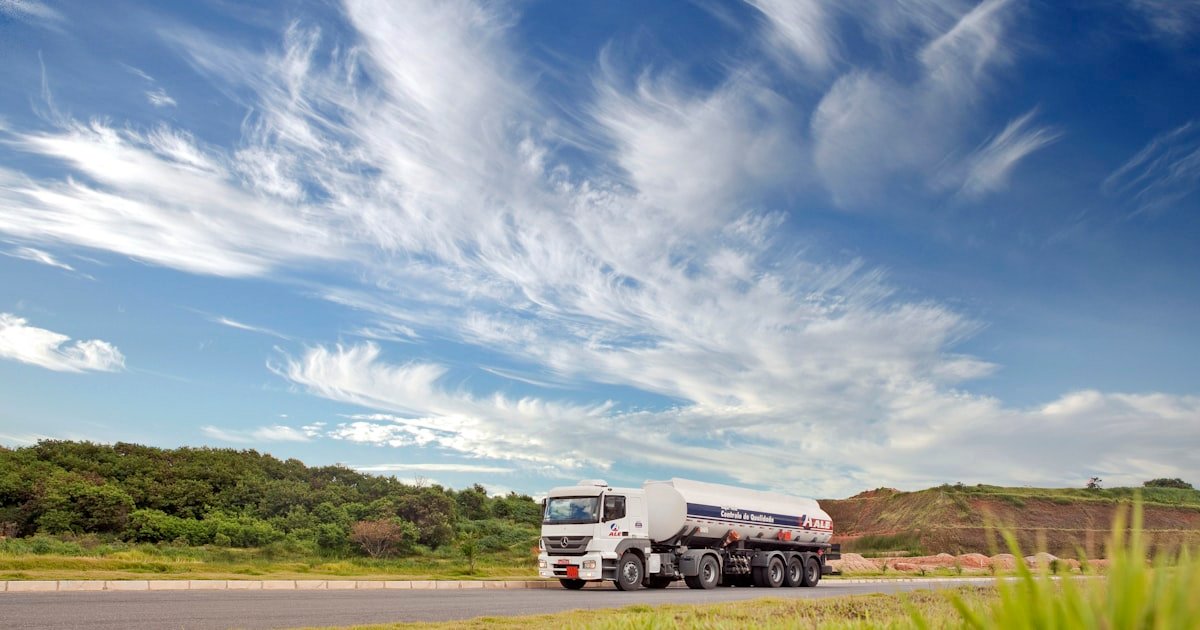
    In most fleets the vehicle is the valuable thing. In oil and gas, the load usually costs more than the truck carrying it, and it is also flammable, regulated and attractive to thieves. That combination makes fuel tanker tracking a different exercise from ordinary vehicle tracking. You are not just watching where a tanker is, you are confirming that the right quantity went from the right terminal to the right customer, along an approved route, without an unexplained stop on the way. This guide covers how GPS tracking is used on tanker fleets and which controls matter most.

    What makes tanker fleets high risk

    Three characteristics drive everything about how tanker fleets are monitored:

    • Load value: a full tanker represents a large sum in a single vehicle, which makes it a target.
    • Divertible product: fuel can be siphoned or short-delivered in quantities small enough to go unnoticed on any single trip.
    • Safety exposure: a hazardous load turns an ordinary accident into a serious incident, so driving standards and route choice carry real consequences.

    Each of these has a tracking answer, and together they explain why tanker operators tend to run tighter monitoring than almost any other kind of fleet.

    Route adherence: the core control

    Most tanker journeys are known in advance. The vehicle loads at a terminal, follows an approved route, and discharges at a named site. That predictability is the strongest control available, because any deviation from the plan is immediately visible and worth a question.

    Fuel tanker tracking makes this practical. Geofences around the loading terminal and each delivery point record exactly when the vehicle arrived and left. A defined corridor along the approved route triggers an alert if the tanker leaves it. An unscheduled stop, especially a long one in an unusual place, is flagged rather than discovered later in a report nobody read. The building block here is geofencing, covered in our guide to what geofencing is and how fleets use it.

    Catching product loss

    Product loss on tanker fleets is rarely dramatic. It is small amounts, repeated, in ways that individually look like measurement error. The way to catch it is to make every stop explainable. When a tanker stops for twenty minutes at an unremarkable spot between the terminal and the delivery site, the tracking record turns that into a specific question with a time and a location attached, which is a very different conversation from a monthly variance nobody can account for.

    Combined with delivery timings from geofences, this builds a chain of custody for each load: loaded here at this time, travelled this route, stopped here for this long, discharged there at that time. The same reconciliation logic that catches fuel skimming in ordinary fleets, described in reducing fuel theft in your fleet, applies with far more value when the product itself is the cargo.

    Theft and hijack response

    A loaded tanker is a target, and the response to a hijack has to be immediate. Fuel tanker tracking supports this in three ways. Live positions update every few seconds so the vehicle can be followed rather than searched for. Movement alerts outside scheduled hours flag a tanker that should be parked. And remote engine cut allows a stopped vehicle to be immobilised so it cannot be driven further, which is explained in our article on the remote engine immobiliser.

    The rule with immobilisation on a hazardous load is simple and non-negotiable: it is a recovery tool used on a stationary vehicle in coordination with the authorities, never a way to stop a moving tanker.

    Driver behaviour on hazardous loads

    A tanker carrying liquid handles differently from a rigid load, since the fuel moves inside the tank during braking and cornering. That makes smooth driving a safety requirement rather than a fuel-economy preference. Speed, harsh braking and sharp cornering all deserve closer monitoring than they would get on a general haulage fleet, and the coaching conversation is easier because the reason is obvious to any experienced tanker driver. Our guide to driver behaviour monitoring covers how to turn this data into training rather than blame.

    What a tanker tracking setup typically includes

    Capability What it protects against
    Live GPS tracking Loss of visibility, slow theft response
    Terminal and site geofences Disputed loading and delivery times
    Route corridor alerts Unauthorised diversions
    Unscheduled stop alerts Product siphoning
    Out-of-hours movement alerts Theft and unauthorised use
    Remote engine cut Hijack and vehicle theft
    Driver scoring Rollover and incident risk
    Full trip history Disputes, audits and investigations

    Compliance and the value of the record

    Tanker operations are audited, by regulators, by customers and internally after any incident. The most underrated benefit of fuel tanker tracking is that it produces a defensible record automatically. When a customer disputes a delivery time, or an investigation asks what route a vehicle took, the answer is a replay rather than a recollection. Keeping that history intact and exportable is worth confirming with any provider before you commit, because a record you cannot retrieve is not much of a record.

    You can see the underlying capabilities, from geofencing and alerts to trip history and remote commands, on the Fleetile platform page.

    Frequently asked questions

    How does fuel tanker tracking prevent product theft?

    It makes every stop visible and explainable. Geofences record exact loading and discharge times, route corridors flag diversions, and unscheduled stop alerts highlight the pauses where siphoning happens. Individually small losses become obvious once each one has a time and a place attached to it.

    Can a tanker be immobilised remotely if it is hijacked?

    Yes, where a remote engine cut relay has been installed. On a hazardous load it should only ever be used once the vehicle has stopped and in coordination with the authorities, as a way to prevent it being driven further rather than to halt it in motion.

    What is route adherence and why does it matter for tankers?

    Route adherence means confirming the vehicle followed its approved path. It matters on tanker fleets because journeys are planned in advance between known points, so any deviation is both unusual and worth investigating immediately, whether the cause is theft, an unsafe shortcut or a genuine road closure.

    Does tracking help with safety as well as security?

    It does. Speed, harsh braking and cornering data identify the driving habits that raise rollover risk on a liquid load, allowing targeted coaching. Trip history also supports proper incident investigation, which is how safety programmes improve over time.

    How long should tanker trip history be kept?

    Long enough to cover your audit, customer dispute and investigation needs, which is usually considerably longer than a general fleet requires. Confirm the retention period with your provider and check that the data can be exported, because history you cannot retrieve will not help during an audit.

    See tanker tracking working

    Watch a geofence trigger on arrival, an off-route alert fire, and a full trip replay assembled from real positions. Get a Fleetile demo and see how fuel tanker tracking protects both the load and the record.

  • Ambulance Tracking System: GPS Tracking for Healthcare Fleets

    Ambulance Tracking System: GPS Tracking for Healthcare Fleets

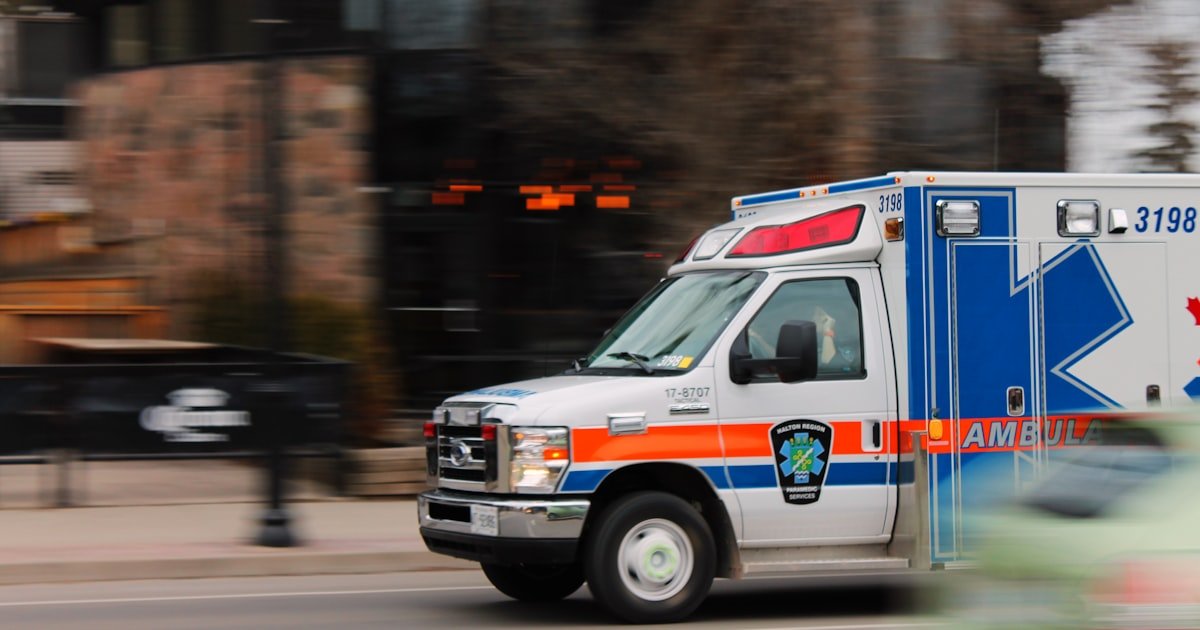
    In every other fleet, GPS tracking saves money. In an ambulance tracking system, it saves time, and time is the outcome. When a call comes in, the only question that matters is which unit can reach the patient fastest, and answering it correctly requires knowing exactly where every ambulance is right now. This guide covers how GPS tracking works for ambulances and healthcare fleets, what it changes in dispatch, and which features matter most when lives depend on the answer.

    Why an ambulance tracking system is different

    A delivery fleet optimises for cost. An emergency medical fleet optimises for response time, and everything else follows from that. The consequences of a slow or wrong dispatch decision are not a late parcel, so an ambulance tracking system has to be judged on a stricter standard than an ordinary vehicle tracking setup.

    Three things change as a result. Position updates need to be genuinely live, because a dispatcher working from a two-minute-old map is choosing the wrong ambulance. Status matters as much as location, since an ambulance already carrying a patient is not available regardless of how close it is. And the record of what happened must be complete, because response times get reviewed, questioned and reported on.

    Nearest-unit dispatch, done properly

    The single largest gain from an ambulance tracking system is choosing the right vehicle. Without live tracking, dispatch works from memory and radio calls: someone believes a unit is near the hospital, so that unit is sent. With live GPS tracking, the dispatcher sees every ambulance on one map, knows which are free, and sends the one that can genuinely arrive first, which is not always the one that looks closest in a straight line.

    That distinction matters more in dense cities than anywhere else. The nearest ambulance by distance may be on the wrong side of a divided road or behind traffic. Live positions combined with actual road routing let a dispatcher make the decision on arrival time rather than proximity. The underlying mechanics are the same ones described in how GPS vehicle tracking works, applied to a case where the stakes are far higher.

    Healthcare fleet tracking beyond the ambulance

    Most healthcare groups run several fleets under one roof, and only one of them is emergency. The tracking platform is usually shared, but what counts as a good day is different for each, and a system set up only for ambulances measures the others badly.

    Fleet What success means What to measure
    Emergency ambulances Reaching the patient first Response time, unit availability, coverage gaps by zone
    Patient transport Arriving when the appointment says On-time arrival, wait time at pickup, journeys per vehicle per day
    Sample and specimen couriers Getting there inside the sample’s valid window Collection to lab time, missed pickups, route sequence
    Blood and pharmacy delivery Arriving intact, not only on time Temperature alongside location, door-open events, chain of custody
    Home care and community nursing Visits completed, staff safe Visits per shift, travel against care time, lone-worker check-ins
    Hospital shuttles and mobile clinics Running to the published schedule Schedule adherence, dwell time at each stop

    Two of these deserve more than a row. Temperature-controlled deliveries fail differently from every other fleet: a late blood delivery is a problem, but a warm one is a loss, and the only way to prove it stayed cold is to record temperature next to position for the whole journey. See cold chain monitoring.

    Home care is the fleet where tracking is most often resisted and most often useful, because the honest measurement is not how fast staff drive. It is how much of the day is spent driving rather than with patients. A route that looks efficient on a map can still waste two hours a day in doubling back, and that is time taken from care rather than from the employer. Route optimisation applies directly, and tracking and staff privacy covers how to introduce it without it landing as surveillance.

    Tracking the equipment, not only the vehicle

    An ambulance is a room full of expensive, portable, borrowable equipment, and that equipment moves between vehicles, crews and hospitals all day. Defibrillators, monitors, stretchers, oxygen cylinders, drug bags and infusion pumps are frequently the things a service actually loses, and the vehicle tracker never sees them because they are not the vehicle.

    Asset tags solve a different problem from vehicle tracking and answer questions the fleet map cannot:

    • Which vehicle is this item in right now, when a crew needs a specific device and three ambulances are out.
    • Did it come back, after equipment travelled into a hospital with a patient and stayed there.
    • Is it due for calibration or service, tracked by the item rather than by the vehicle it happens to be in.
    • Where does it get lost, which is usually one particular handover point rather than everywhere.

    The tags are battery-powered and report on movement rather than continuously, which is why they last on equipment that has no power of its own. The approach is the same one used for trailers and plant, described in asset tracking systems, applied to a much smaller and more mobile set of items.

    Features that matter in an ambulance tracking system

    Live tracking with fast updates

    Position needs to refresh every few seconds while moving. Anything slower and dispatch decisions are made on stale information.

    Geofencing around hospitals and zones

    Geofences around hospitals, bases and coverage areas automatically record arrival and departure times, so response and handover times are captured without anyone writing them down. Our guide to geofencing for fleets covers how these boundaries are set up.

    Complete trip history and route replay

    Every journey should be reconstructable afterwards: the route taken, the timings, the stops. This is what turns a disputed response time into a documented one, and it is invaluable during incident reviews.

    Driver behaviour, handled carefully

    Speed and harsh-braking data need context in an emergency fleet, since an ambulance on an emergency call is legitimately driven differently from one returning to base. Used well, the data identifies genuine risk and training needs rather than punishing crews for doing their job. Our article on driver behaviour monitoring explains how to make that distinction.

    Maintenance and vehicle availability

    An ambulance out of service is a hole in coverage. Tracking mileage and engine hours lets servicing be scheduled around demand rather than discovered by a breakdown, which is the same discipline covered in fleet maintenance management.

    The reporting that healthcare fleets are asked for

    Healthcare operations are accountable to boards, regulators and often the public, and most of what they are asked for comes directly out of tracking data:

    Question Answered by
    What is our average response time by area? Dispatch timestamp to geofence arrival
    Which zones are under-covered? Vehicle position history over time
    How long are handovers taking? Time inside the hospital geofence
    Are vehicles being used outside duty hours? Out-of-hours movement alerts
    What route did unit 12 take on that call? Route replay for the trip

    Getting the human side right

    Tracking an emergency fleet only works if the crews trust it. The framing that succeeds is straightforward and honest: the system exists so that the closest unit is sent, so that response times are recorded accurately rather than estimated, and so that nobody has to defend a timeline from memory. Crews who understand that tracking protects their account of events tend to support it. Crews who are told nothing assume the worst. Explain what is recorded, who can see it and what it is used for, before the first device is fitted.

    Frequently asked questions

    How does an ambulance tracking system reduce response times?

    It lets a dispatcher see every unit’s live position and availability on one map, so the ambulance that can actually arrive first is chosen rather than the one assumed to be closest. It also removes the radio back-and-forth needed to establish where units are, which is time spent before the vehicle has even started moving.

    Can tracking record response times automatically?

    Yes. Geofences around hospitals, bases and response areas log arrival and departure automatically, so the times are captured as the vehicle moves rather than written down afterwards. That produces a consistent record for reporting and review without adding paperwork for crews.

    Does GPS tracking work inside hospital grounds and basements?

    GPS needs a view of the sky, so accuracy drops in underground parking and inside buildings. In practice this rarely matters, because the geofence around the hospital has already recorded the arrival, and the device resumes normal reporting as soon as the vehicle is outside again.

    Is tracking ambulance crews intrusive?

    It tracks the vehicle, not the person, and the fairest implementations are transparent about exactly what is recorded and why. Because it also documents that a crew responded promptly and took a sensible route, crews frequently find it works in their favour during reviews.

    Can the same system track patient transport and courier vehicles?

    Yes. Ambulances, patient transport vans, laboratory couriers and community nursing vehicles all run on the same platform, each with their own alerts and reports, which gives a healthcare group one view of every vehicle it operates.

    What is healthcare fleet tracking?

    GPS tracking applied to every vehicle a healthcare group runs, not only ambulances. That usually means patient transport, specimen couriers, blood and pharmacy deliveries, home care vehicles and hospital shuttles on one platform, each measured against what matters for that fleet rather than against response time.

    Is vehicle tracking for healthcare different from ordinary fleet tracking?

    The technology is the same. The measurements are not. Ordinary fleets optimise cost per kilometre; healthcare fleets optimise response time, appointment punctuality, sample validity windows and completed patient visits, and several of them need temperature recorded alongside location.

    Can the same system track medical equipment inside ambulances?

    Yes, using battery-powered asset tags rather than vehicle trackers. They report on movement, which is what lets them run for a long time on items with no power of their own, and they answer which vehicle an item is in and whether it came back after a hospital handover.

    How do you track blood and pharmacy deliveries properly?

    By recording temperature alongside position for the whole journey. A late delivery is a scheduling problem, but a delivery that got warm is a loss, and only a continuous record proves which one happened.

    See it on a live map

    The quickest way to judge an ambulance tracking system is to watch a fleet move in real time and see how fast the map reacts. Get a Fleetile demo and see live tracking, geofence timings and route replay working together.

  • How to Choose the Best Vehicle Tracking Company in Pakistan

    How to Choose the Best Vehicle Tracking Company in Pakistan

    Choosing a vehicle tracking company in Pakistan is harder than it should be. Every provider advertises the same three things: live tracking, alerts and reports. On a sales call they all sound identical, which is why so many buyers end up disappointed a year later, tied to a system nobody enjoys using.

    This guide covers what actually separates them. It starts with the kinds of companies operating here, then works through nine checks that expose the difference, what a car tracker costs in this market, and how to decide between a single car tracker and a proper fleet system. It applies whether you are fitting one car in Karachi or a hundred vehicles across Lahore and Islamabad.

    The kinds of tracking companies operating in Pakistan

    Most people start by searching for a ranked list of tracker companies in Pakistan, hoping one name will settle it. That list does not really exist, because the companies are not competing on the same thing. It is more useful to know the four kinds you will run into, and what each is usually good and bad at.

    Type Usually good at Usually weak at
    Large national operators Coverage across cities, installation teams everywhere, long track record Older software, long lock-in contracts, slow support queues
    Bank and insurance linked trackers Bundled with vehicle financing, no separate purchase decision You did not choose it, and often cannot see the data yourself
    Local installers and resellers Cheap, fast, personal service, easy to reach Rebadged hardware, generic app, and no guarantee they exist in three years
    Software-first platforms Modern app, real reporting, works with different device brands Fewer own installation teams, so fitting is arranged rather than in-house

    There is no single number one provider in Pakistan, and any company claiming the title is describing its own marketing rather than a measured result. A large operator can be the right answer for a fleet spread across four cities and the wrong one for eight vans in a single yard. The checks below are what separate them in practice.

    1. How fast does the position actually update?

    This is the first question and it filters out a surprising number of suppliers. Ask for the live update interval while a vehicle is moving, not the marketing phrase “real time”. A few seconds means you can follow a vehicle and react to a theft. A minute or more means you are looking at history. Ask to watch a vehicle move on their live map before you decide, because this single number shapes how useful everything else will be.

    2. Do alerts reach the right person fast enough?

    A tracking platform earns its keep through alerts, not maps. Nobody watches a screen all day. What matters is that the moment a vehicle leaves a geofence, starts outside working hours, or crosses a speed limit, the right person is told immediately on their phone. Ask how alerts are delivered, whether different people can receive different alerts, and how quickly they arrive after the event.

    3. Can you immobilise a vehicle remotely?

    Remote engine cut changes what happens during a theft, turning a chase into a controlled recovery once the vehicle has stopped. Not every vehicle tracking company in Pakistan supports it properly, and not every installation includes the relay it needs. If your fleet carries valuable cargo or operates at night, treat this as essential rather than optional.

    4. Is the mobile app good enough to use daily?

    The dashboard gets demonstrated; the app gets used. Managers check vehicles from a phone, at home, in a meeting, on the road. Open the app during the demo and try to do three things: find one vehicle, replay a trip from yesterday, and check today’s alerts. If any of those takes more than a few taps, your team will quietly stop using the system.

    5. What reporting do you actually get?

    Reports are where tracking turns into savings, but only if they answer real questions: which vehicles idle the most, who speeds, which routes take longer than they should, how mileage compares month to month. Ask to see a real report rather than a screenshot. Our guide on how to read your fleet reports covers what a genuinely useful report looks like.

    6. Who installs it, and how well?

    A great platform on a badly fitted device is a bad system. Installation quality decides whether the tracker survives, stays hidden from thieves, and keeps reporting when it matters. Ask who does the fitting, whether they are the company’s own technicians, how the unit is concealed, and what the response time is if a device stops reporting. Ask about coverage in the cities where your vehicles actually operate, not just the head office city.

    7. What happens when something breaks?

    Devices fail. Vehicles get serviced and wires get disturbed. The real test of a vehicle tracking company is the week a unit goes silent. Ask a direct question: a tracker stops reporting on a Friday afternoon, what happens next, and who pays? A supplier with a clear answer has been through it many times. A vague answer is the answer.

    8. Who owns your data, and can you get it out?

    Your trip history, routes and driver records are your operational record. Ask how long history is retained, whether you can export it, and whether there is an API if you ever want to connect tracking to your own systems. A provider that makes leaving difficult is telling you something about how they expect to keep your business.

    9. What is the three-year total cost?

    Compare total cost per vehicle over three years, including device, installation, SIM, subscription, support and the renewal rate, rather than the headline monthly figure. We break every one of these components down in our guide to vehicle tracking price in Pakistan. The cheapest first year is frequently not the cheapest three.

    A simple scorecard

    Score each provider out of two on the checks that matter most to you, and the picture usually becomes obvious:

    Check Weak Strong
    Update interval Minutes Seconds
    Alerts Email only, delayed Instant push, per-person rules
    Engine cut Not offered Supported and installed properly
    Mobile app Rarely updated Fast, current, actually used
    Support Unclear process Named response time
    Data Locked in Exportable, with an API

    What a car tracker costs in Pakistan

    Price is the second question almost everyone asks, and it is where comparisons quietly go wrong. Suppliers quote different things: some price the device alone, some bundle installation, some quote a monthly subscription and mention the renewal rate only later. Three quotes can look like three different products when they are the same thing packaged differently.

    Ask every provider for the same four numbers so the quotes are comparable: the one-off device cost, the installation charge, the monthly or yearly subscription per vehicle, and the renewal rate after the first year. That last one catches people out, because an attractive first-year price sometimes rises sharply afterwards. The full breakdown of what to expect is in vehicle tracking price in Pakistan.

    A car tracker or a fleet tracking system?

    These get sold as the same thing and they are not. A car tracker is bought for one or two vehicles, usually for theft recovery and peace of mind. A fleet tracking system assumes several vehicles, several drivers, and somebody accountable for what they cost to run.

    • One or two vehicles, owner driven. A car tracker is the right buy. Location, movement alerts and recovery are the whole benefit, and paying for driver scoring you will never look at makes no sense.
    • Several vehicles with employees driving them. A fleet system starts to pay for itself, because fuel, idling and driving behaviour become measurable rather than suspected.
    • A mixed situation. Many businesses here run both: trackers on the owner’s cars, a fleet system on the working vehicles.

    The difference is set out in more detail in GPS fleet tracking versus car trackers. If the vehicle is a motorcycle, the requirements change again, and that is covered in motorcycle GPS trackers.

    Installation, city by city

    Wherever the company is registered, what matters to you is whether they can fit and service a device where your vehicles actually are. Coverage is uneven: a provider with fitters in Karachi may arrange a subcontractor in Multan, which is fine until something needs replacing.

    Ask three questions before signing. Do they have their own installation team in your city, or a partner. What is the turnaround for a fault in that city. And if you operate in more than one, is the service the same in each. Buyers in Karachi can start with GPS tracker options in Karachi.

    Match the provider to the fleet you have

    The best vehicle tracking company for a hundred-truck logistics operation is not automatically the best one for eight vans or a hundred delivery motorcycles. A logistics fleet needs strong route and trip reporting, as covered in GPS tracking for logistics and delivery fleets. A school transport operator needs parent-facing reassurance and route adherence. A rental business needs geofences and mileage. Ask each supplier how they handle your specific case, and be wary of an answer that never changes.

    It is also worth asking where the company is heading. Tracking platforms improve constantly, and a provider still shipping the same interface from years ago will look further behind every year you stay with them. You can see the current Fleetile feature set on the platform page.

    Frequently asked questions

    What should I ask a vehicle tracking company before buying?

    Ask for the live update interval while moving, how and how fast alerts are delivered, whether remote engine cut is supported, who installs the devices and where they cover, what happens when a unit fails, how long your data is retained and whether it can be exported, and the total cost per vehicle over three years including the renewal rate.

    Is a bigger tracking company always better?

    Not necessarily. Size can mean better coverage and stock, but it can also mean slower support and older software. Judge providers on the checks above, especially update speed, alert quality and what happens when a device fails, rather than on how long the company has existed.

    How long does it take to set up tracking for a fleet?

    Installation is usually the longest part, and a technician can typically fit several vehicles in a day, so a small fleet is often live within days. The software side, adding users, drawing geofences and setting alert rules, can normally be done the same day the vehicles are fitted.

    Can I switch tracking providers later?

    Yes, though how painful it is depends on the contract and on whether your existing provider lets you export your history. This is exactly why data ownership and contract terms belong on the checklist before you sign, not after.

    Do I need tracking on every vehicle?

    Most fleets get the clearest picture by tracking everything, because partial coverage leaves gaps precisely where problems hide. If budget forces a phased rollout, start with the highest-value vehicles, those carrying valuable cargo, and any that operate at night or far from base.

    Which is the best vehicle tracking company in Pakistan?

    There is no single best one, and a ranked list would be misleading. Large national operators, bank-linked trackers, local installers and software-first platforms are good at different things. Decide by running the nine checks above against your own situation, particularly the update interval, the alerts, and the three-year total cost.

    How much does a car tracker cost in Pakistan?

    It depends on the device, whether installation is included, and the subscription. The way to compare fairly is to ask every supplier for the same four numbers: device cost, installation charge, per-vehicle subscription, and the renewal rate after the first year.

    Is a car tracker the same as a fleet tracking system?

    No. A car tracker covers one or two vehicles and is mostly about location and theft recovery. A fleet system adds driver behaviour, fuel and idle reporting, and comparison between vehicles, which only pays off when several vehicles are driven by employees.

    Can a tracker be installed the same day in Karachi or Lahore?

    Often yes in the larger cities, where most providers keep their own fitters. It is worth confirming for your specific area, and worth asking what the turnaround is for a fault rather than only for the first installation.

    Are top 10 tracking company lists in Pakistan reliable?

    Treat them carefully. Many are paid placements or are written by one of the companies listed. A list can be a useful starting point for names, but the ordering rarely reflects anything measured, so verify against your own checks.

    Which is the number one vehicle tracking provider in Pakistan?

    Nobody can answer that honestly, and it is worth knowing why. There is no independent body ranking vehicle tracking providers in Pakistan, no audited subscriber numbers and no shared standard for uptime or recovery rates. Every company describing itself as the number one provider is the source of that claim. What you can check yourself is concrete: who installs the device, whether support answers in your own city, whether the platform belongs to the company or is resold, and what happens to your data if you leave. Those answers separate providers far more reliably than a ranking does.

    What is the best car tracker company in Pakistan?

    Car tracker company and vehicle tracking company usually mean the same thing here, and the difference that matters is not the label but the scope. A company selling a car tracker to an individual owner is solving theft and location. A company running fleets is also solving driver behaviour, fuel, maintenance and reporting. Judge a car tracker company on the checklist above rather than on the size of its advertising, and ask to see the platform running on a real vehicle before you buy anything.

    Put us through the checklist

    The fairest way to compare any vehicle tracking company is to run it through the nine checks above with a live system in front of you. Get a Fleetile demo and ask us every one of them.

  • Vehicle Tracking Price in Pakistan: What a GPS Tracker Really Costs

    Vehicle Tracking Price in Pakistan: What a GPS Tracker Really Costs

    Ask three suppliers about vehicle tracking price in Pakistan and you will get three numbers that are impossible to compare, because each one includes a different set of things. One quotes only the device. Another bundles installation. A third quotes a low monthly fee and charges separately for the SIM. Before you can judge whether a GPS tracker price is good, you need to know what a complete vehicle tracking cost is actually made of. This guide breaks it down piece by piece so you can compare quotes properly and avoid the charges that appear later.

    The five parts of any vehicle tracking price

    Whatever the supplier, the cost of vehicle tracking in Pakistan breaks into the same five components. A quote that leaves one out has not become cheaper, it has just moved that cost somewhere you cannot see yet.

    Cost component What it covers Charged as
    Tracking device The GPS hardware fitted to the vehicle One-off, per vehicle
    Installation Fitting, wiring and hiding the unit One-off, per vehicle
    SIM and data Mobile connectivity that sends positions to the platform Monthly or yearly
    Software subscription The dashboard, mobile app, alerts and reports Monthly or yearly, per vehicle
    Support and maintenance Help when a unit fails, and replacement over time Included, or billed per visit

    The device and installation are one-off. The SIM, software and support are recurring, and over a few years the recurring side is almost always the larger number. That is why a cheap device with an expensive subscription often costs more than a better device on a fair plan.

    What makes the GPS tracker price go up or down

    Within those five components, a handful of factors move vehicle tracking price in Pakistan more than anything else.

    How often the device reports

    A tracker that reports every few seconds uses far more mobile data than one reporting every few minutes, and it costs more to run. It is also the difference between watching a vehicle move in real time and seeing where it was a while ago. For theft protection and live dispatch, frequent reporting is worth paying for. For simple mileage logging, it is not.

    Whether you need remote engine cut

    Immobiliser capability requires a relay and more careful installation, so it raises both the device and fitting cost. For high-value vehicles, cargo trucks and motorcycles it usually pays for itself the first time it is needed. Our article on the remote engine immobiliser explains what it can and cannot do.

    Fleet size

    Per-vehicle vehicle tracking price almost always falls as the fleet grows. Installing fifty units in one visit costs less per vehicle than installing one, and most providers tier their software pricing by volume. If you plan to expand, ask what the price looks like at your future size, not just today’s.

    Sensors and extras

    Fuel level sensors, temperature probes for cold chain work, driver ID readers and dashcams all add hardware and installation cost. They are worth it when they solve a specific problem you can name. If you cannot name the problem, skip them for now and add them later.

    Contract length

    Longer commitments usually lower the monthly figure. That is fine if the provider is good and terrible if they are not, so weigh the discount against how confident you are in the service.

    The costs people forget to ask about

    Most unpleasant surprises in a GPS tracker price come from things that were never discussed. Before signing, ask directly about each of these:

    • Removal and refitting: what does it cost to move a unit when you sell a vehicle and buy another?
    • Hardware replacement: if a device fails after the warranty, who pays?
    • Data retention: how long is trip history kept, and does longer history cost extra?
    • User accounts: is there a limit on how many people can log in?
    • Reports and API access: are advanced reports or an integration with your own system charged separately?
    • Price at renewal: what happens to the rate after the first year?

    Comparing quotes on a like-for-like basis

    The cleanest way to compare vehicle tracking price in Pakistan is to stop comparing monthly figures and calculate a three-year total cost per vehicle instead. Add the device, the installation, thirty-six months of SIM and subscription, and any support charges you expect. Do that for each supplier and the real ranking usually changes, because the cheapest first-year quote is often not the cheapest over the life of the vehicle.

    Then check what you are getting for that total. A tracking platform that catches one stolen truck, or cuts the fuel losses described in our guide to reducing fuel theft in your fleet, has usually paid for the whole fleet’s subscription. This is the same logic we work through in detail in the real ROI of fleet tracking.

    Is cheap vehicle tracking worth it?

    There is a floor below which vehicle tracking price stops being a bargain. Very cheap trackers tend to share the same weaknesses: slow reporting, an app that is barely maintained, no proper alerting, no support when a unit stops responding, and no way to immobilise the vehicle. They will show you a dot on a map, which feels like tracking until the day you actually need it to work.

    The practical test is simple. Ask a supplier to show you what happens the moment a vehicle moves outside working hours. If the answer is a fast alert on your phone, a live map you can follow, and an action you can take, the price is buying you something real. If the answer is a report you can look at tomorrow, it is not.

    Getting an accurate quote for your fleet

    Because so much depends on fleet size, vehicle types and which features you need, an honest supplier will ask questions before quoting rather than publishing one number for everyone. Have these ready and you will get a firm figure quickly: how many vehicles and of what type, where they operate, whether you need engine cut, whether you need any sensors, and how many people will use the system. You can see the full feature set on the Fleetile platform page, and there is a local overview on our GPS tracker Karachi page.

    Frequently asked questions

    What is included in a vehicle tracking price in Pakistan?

    A complete price covers five things: the GPS device, its installation, the SIM and data that carry positions to the platform, the software subscription for the dashboard and app, and ongoing support. Quotes that look unusually low are normally missing one of these, most often the SIM or the software fee, so always confirm all five before comparing.

    Is there a monthly fee for GPS tracking?

    Yes. Every connected tracker needs mobile data to send its position and a platform to receive it, so there is always a recurring charge, billed monthly or yearly. A device sold with no ongoing fee is either a passive logger that stores data for later download, or the connectivity cost has been bundled into a higher upfront price.

    Does fleet size change the price per vehicle?

    Almost always. Installation is cheaper per unit when many vehicles are fitted together, and most providers reduce the software rate at higher volumes. If you expect to grow, ask what the per-vehicle price becomes at the fleet size you are heading towards.

    How long does installation take?

    A straightforward fit on one vehicle is usually a short job, and a technician can normally complete several in a day. Installations that include an immobiliser relay, a fuel sensor or a temperature probe take longer because more wiring and testing is involved.

    Can I move a tracker to a different vehicle?

    Yes, a hardwired tracker can be removed and refitted. There is normally a labour charge for the visit, so it is worth asking about that rate at the start if you replace vehicles regularly.

    Get a straight answer on price

    The fastest way to know what vehicle tracking will cost for your fleet is to tell us the vehicles, the location and what you need it to do. Get a Fleetile demo and we will walk through the platform and give you a clear, itemised figure with nothing hidden behind it.