A bike tracker is a small GPS device fitted out of sight on a motorcycle. It reports the bike’s position to an app on your phone, warns you when the bike moves without you, and on the better systems lets you cut the engine remotely so a thief cannot ride it away. This guide covers what these devices do in Pakistani conditions, what separates a useful one from a cheap one, and what to check before you buy.
Why a bike needs different protection from a car
A motorcycle is the easiest vehicle on the road to steal. It can be lifted by two people, pushed away silently, or loaded into a pickup in under a minute. A steering lock slows that down; it does not stop it. And once the bike is out of sight there is usually nothing left to trace.
That is the gap a tracker fills. It does not prevent the theft. What it does is remove the part thieves rely on, which is the bike disappearing without anyone knowing where it went.
What a GPS tracker for bike actually does
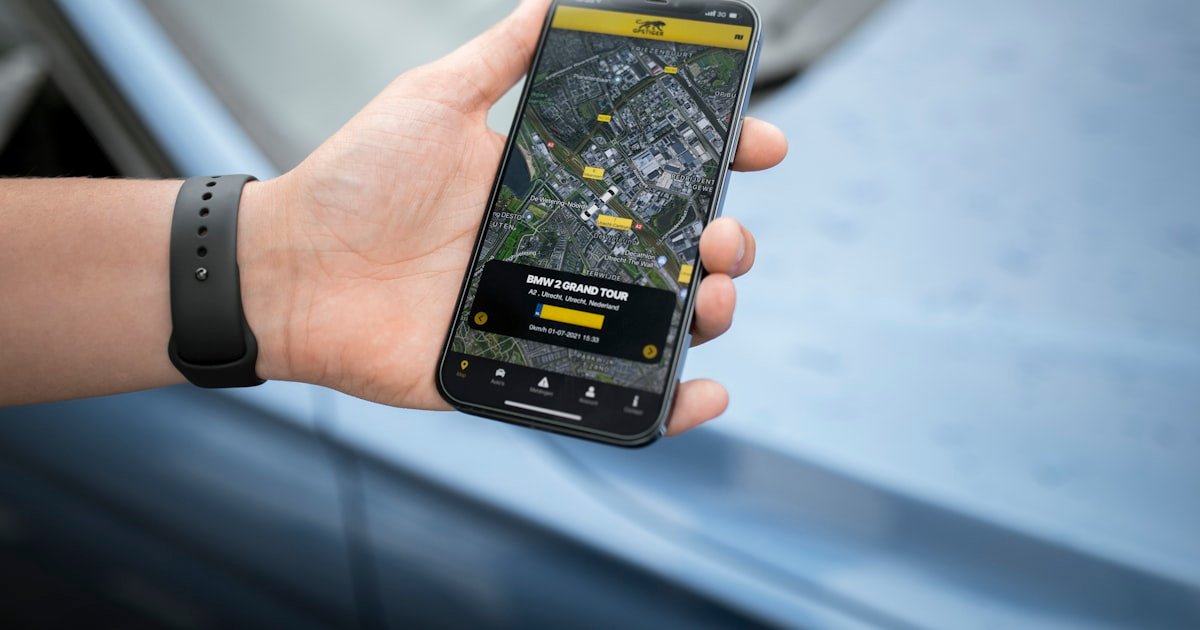
- Live location. The bike’s position on a map, updating every few seconds while it moves.
- Movement alert. A notification the moment the bike moves while it should be parked. This is the feature that matters most, because it reaches you while the bike is still nearby.
- Remote engine cut. On a hardwired device, the ability to stop the engine from the app so the bike cannot be ridden further.
- Tamper and power alerts. A warning if someone disconnects the battery or interferes with the device.
- Ride history. A record of every trip, which settles arguments about where a shared or a delivery bike has been.
Where the tracker is fitted decides whether it works
This is the part most buyers skip, and it is the part that decides whether the device does its job.
A tracker that plugs into an accessible socket or sits under the seat in plain view is found and removed in the first minute, usually before the bike has left the street. A hardwired unit, fitted into the loom somewhere that takes tools and time to reach, keeps reporting while the thief is still moving.
When you buy, ask where the device will be fitted and who fits it. An installer who does this daily hides it somewhere different from the obvious place. If the answer is that you fit it yourself in a few minutes, you are buying location history, not theft protection.
Bike tracker or bicycle tracker
These are two different products, and the words get mixed up. A motorcycle tracker draws power from the bike’s electrical system and runs indefinitely. A bicycle has no power to draw, so a bicycle tracker runs on its own battery and has to be charged, which limits how small and how hidden it can be. If you are protecting a motorcycle, a device built for one is the right choice.
What to check before you buy
- Does it work on any bike? A 70cc commuter, a 125, a heavy bike and a scooter all take the same kind of device. A seller who only supports certain models is selling around a limitation.
- How fast is the movement alert? An alert that arrives ten minutes later is a record, not a warning.
- Is there remote engine cut, and is it fitted properly? The feature is only real if the wiring behind it was done by someone who knew the bike.
- Who answers when something breaks? A device with no support behind it goes quiet at some point and nobody tells you.
- Does the SIM and platform cost continue? The device is one part of the price. Ask what the ongoing cost covers and for how long, so you are comparing whole quotes rather than hardware.
The last point is worth taking seriously, because quotes in this market are rarely comparable as given. What a GPS tracker really costs in Pakistan breaks a quote into its parts so two of them can be read side by side.
What happens when a bike is actually taken
The order matters, and it is worth deciding before you need it rather than during.
- Open the app and confirm the bike is moving. Alerts do get triggered by someone shifting a parked bike.
- Cut the engine if the bike is on a road and you can see where. Doing it in traffic is not sensible; doing it once the bike is stationary or on a quiet stretch is.
- Call the police and give them the live location, not the last known one. A position that updates while they move is a different conversation from an address where the bike used to be.
- Do not go after the bike yourself. A tracker is there so that someone with the authority to recover the bike knows where it is.
Delivery riders and small rider fleets
If the bikes are earning, the same device answers a second set of questions. Which rider has which bike, how long a delivery actually took, whether a bike sat idle for an hour, and how it is being ridden. A rider fleet on one screen turns a stack of individual disputes into a record anyone can check.
The setup is the same as a single bike; only the reporting changes. Tracking a last mile delivery fleet covers what that looks like day to day.
Installation and support in Pakistan
A tracker is a physical fitting, so where it is done matters as much as what is fitted. Fleetile installs in Karachi with its own team, and arranges Lahore, Islamabad and Rawalpindi on request. The fitting takes under an hour, and the device goes somewhere a person looking for it would have to work to reach.
If you are in Karachi, GPS tracker installation in Karachi has the local detail, including which areas we cover. For the device itself and what the app shows, see the Fleetile bike GPS tracker.
Frequently asked questions
What is the best GPS tracker for bike in Pakistan?
There is no independent ranking of trackers in Pakistan, so any page claiming a number one is claiming it about itself. Judge on four concrete things instead: whether the device is hardwired and hidden rather than plugged in somewhere obvious, how quickly the movement alert reaches your phone, whether remote engine cut is included and properly wired, and whether the company installing it answers the phone afterwards.
How much does a bike tracker cost?
The price is made of the device, the SIM, the installation and the platform, and sellers quote different combinations of those, which is why two quotes rarely compare directly. Ask for all four parts and for how long each is covered. Fleetile quotes per bike once we know the model and whether you want engine cut.
Can a thief find and remove the tracker?
Anything fitted to a bike can be removed given enough time, which is the point of hiding it well. A device sitting in an obvious place is found immediately. A hardwired unit buried in the loom takes tools and daylight, and while the thief is looking for it the device is still reporting and you have already been alerted.
Does the bike tracker work if the battery is disconnected?
You get an immediate power disconnect alert, which on a parked bike almost always means someone is interfering with it. That alert is often more useful than the tracking itself, because it reaches you while the bike is still where you left it.
Can I stop my motorcycle remotely if it is stolen?
Yes, on a system that includes remote engine cut and has been wired for it. You open the app and the engine will not restart. Use it when the bike is stationary or on a quiet road rather than in moving traffic.
Will a tracker work anywhere in the city?
Anywhere with a view of the sky and mobile coverage, which is almost everywhere outdoors. Underground parking and the inside of a container are where positions go quiet, and that is normal rather than a fault. The device resumes reporting when the bike comes back out.
Is a bike tracker the same as a bicycle tracker?
No. A motorcycle tracker runs off the bike’s own electrical system and never needs charging. A bicycle has no power to give, so a bicycle tracker carries its own battery and has to be charged regularly, which makes it larger and harder to hide.
Can I track more than one bike on the same account?
Yes. The same app handles one personal bike or a whole rider fleet, with each bike on the same map and reports covering all of them. Nothing changes about the device or the fitting; only what the account shows.
See it on your own bike
The quickest way to judge any of this is to watch it working rather than read a feature list. Get a Fleetile demo, or ask us for a quote for your bike and we will tell you what the fitting involves before you commit to anything.