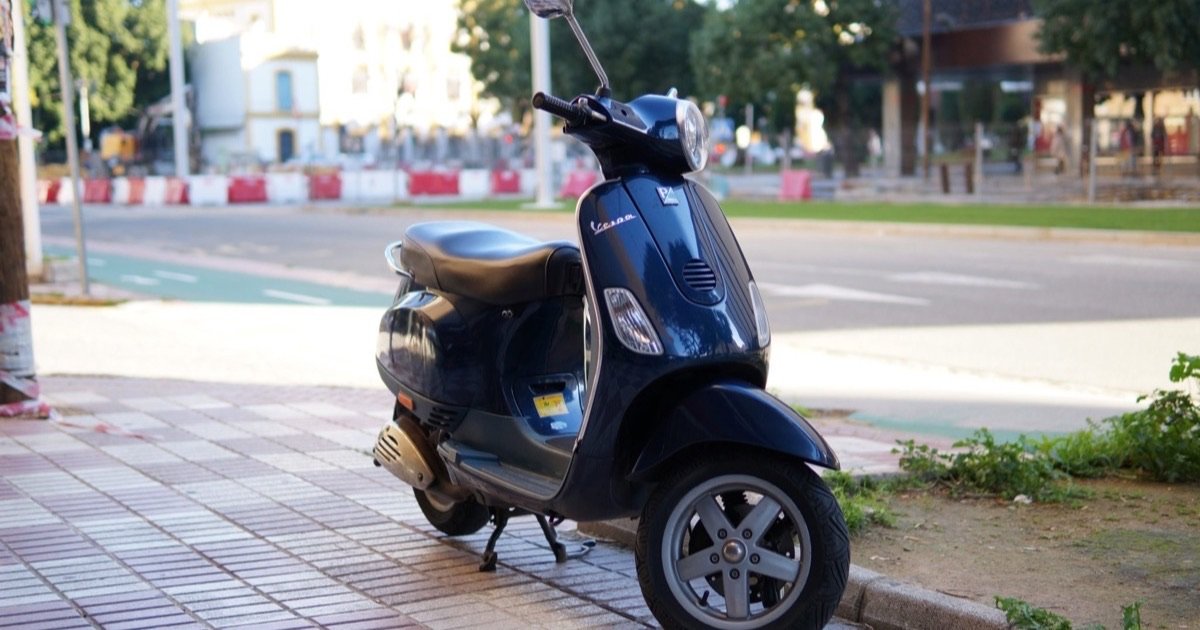
A motorcycle GPS tracker is the cheapest protection most riders will ever buy. A bike is light, easy to lift into a van and easy to hide, which is exactly why motorcycle theft is so common and why recovery without a tracker is so rare. A good bike GPS tracker turns a stolen motorcycle from a lost asset into a location on a map that you can hand to the police within minutes. This guide explains how a motorcycle GPS tracker works, which features actually matter, and how to choose one that suits your bike.
What a motorcycle GPS tracker actually does
A motorcycle GPS tracker is a small device wired into the bike, usually hidden under the seat or behind the fairing. It does two jobs at once. The GPS chip listens to satellites to work out where the bike is, and the SIM inside sends that position over the mobile network to an app on your phone. The result is a live dot on a map that follows your motorcycle wherever it goes.
Because the tracker is always connected, a modern bike GPS tracker does far more than show a location. It can tell you when the engine started, alert you the moment the bike moves without you, record every route it has taken, and on many devices cut the ignition remotely so a thief cannot restart it. If you want the full picture of how satellite positioning becomes a live dot on a screen, our guide on how GPS vehicle tracking works covers the mechanics in plain language.
Why motorcycles need GPS tracking more than cars
Motorcycles are stolen differently from cars. A car usually has to be driven away, which takes time and skill. A motorcycle can be picked up by two people and loaded into a pickup in under a minute, often without ever starting the engine. Steering locks and disc locks slow that down but rarely stop it.
This changes what you need from a tracker. For a bike, the value is not in watching a journey. It is in the first alert, delivered fast enough that you can react while the motorcycle is still nearby. A motorcycle GPS tracker that reports movement within seconds gives you a genuine chance of recovery. One that updates every few minutes usually does not.
Features that matter in a bike GPS tracker
Not every feature on a spec sheet earns its place on a motorcycle. These are the ones that do:
- Live tracking with frequent updates: the position should refresh every few seconds while the bike is moving, not once a minute.
- Movement and ignition alerts: an instant notification if the motorcycle moves or the engine starts when it should be parked.
- Geofencing: a virtual boundary around your home, office or parking area that triggers an alert the moment the bike leaves it.
- Remote engine cut: the ability to immobilise the bike from your phone so a thief cannot restart it once it stops.
- Backup battery: keeps the tracker reporting for a while even if the wires are cut or the bike battery is disconnected.
- Trip history and route playback: a record of every journey, useful for disputes, for delivery riders, and for proving where the bike has been.
- Tamper alerts: a warning if the device is unplugged or interfered with.
Geofencing deserves special attention on a motorcycle, because a parked bike should simply never leave its zone without you. Our explainer on what geofencing is and how fleets use it shows how these virtual boundaries are set up and what to do with the alerts they produce.
Wired trackers versus battery trackers
Motorcycle GPS trackers come in two broad types, and choosing the wrong one is the most common mistake buyers make.
| Type | Power | Best for | Trade-off |
|---|---|---|---|
| Hardwired tracker | Runs off the bike battery, with a small internal backup | Daily riders, delivery bikes, any bike you want to immobilise remotely | Needs professional fitting |
| Battery-only tracker | Internal battery, charged periodically | Bikes stored long-term, or where wiring is not possible | Must be recharged, and cannot cut the engine |
For most riders a hardwired motorcycle GPS tracker is the better choice. It never needs charging, it can support remote engine cut, and because it is wired in and hidden it is much harder for a thief to find and remove. A battery tracker is a reasonable second device, hidden separately, precisely because a thief who finds one tracker usually stops looking.
Where to hide a motorcycle GPS tracker
Placement matters as much as the device. A tracker in an obvious position is the first thing a thief removes. Good hiding places share three qualities: they are out of sight, they are awkward to reach quickly, and they do not sit under thick metal that can block the signal. Under the seat, inside the tail unit, behind the front fairing and inside the rear mudguard are all common choices. Whoever fits the tracker should also route the wiring so it blends in with the existing loom rather than standing out as an obvious add-on.
Beyond theft: what riders and delivery fleets get
Theft recovery is the reason most people buy a bike GPS tracker, but it is rarely the only benefit they end up using. Riders use trip history to check mileage and settle fuel questions. Parents use geofences to know a teenager arrived safely. Delivery businesses running dozens of motorcycles use the same tracking to see which rider is closest to a new order, to confirm a delivery actually happened, and to check that bikes are not being used for personal errands after hours.
That last group is where a motorcycle GPS tracker turns into a proper management tool. If you run a fleet of delivery bikes, the reporting matters as much as the map, and the principles are the same ones covered in our guide to GPS tracking for logistics and delivery fleets. You can see the full feature set on the Fleetile platform, and there is a dedicated overview on our bike GPS tracker page.
How to choose the right motorcycle GPS tracker
Work through these questions in order and the choice usually makes itself:
- How fast does it report? Anything slower than a few seconds while moving is too slow for theft recovery.
- Can it immobilise the bike? Remote engine cut is the single feature that most changes the outcome of a theft.
- Does it keep working if power is cut? Check the backup battery and the tamper alert.
- Is the app any good? You will use it far more than you expect. It should show live position, history and alerts without hunting through menus.
- What does the subscription cost? Every connected tracker needs a SIM and a service behind it. Compare the yearly total, not just the device price.
- Can it grow with you? If you may add more bikes or vehicles later, choose a platform that handles a fleet rather than a single device.
Frequently asked questions
How much does a motorcycle GPS tracker cost?
There are two costs: the device itself and the ongoing subscription that covers the SIM connectivity and the tracking platform. Cheap standalone devices exist, but they often report slowly and have no proper app behind them. Compare the total yearly cost of device plus service rather than the headline device price, and weigh it against the value of the motorcycle you are protecting.
Can a thief find and remove a bike GPS tracker?
Yes, if it is easy to reach. That is why hidden placement, tidy wiring, a backup battery and tamper alerts matter so much. A well-hidden hardwired tracker with an internal battery keeps reporting even after someone cuts the main power, which usually gives you enough time to act.
Does a motorcycle GPS tracker work without mobile signal?
The GPS position is calculated from satellites and works almost anywhere outdoors, but sending that position to your phone needs a mobile network. In a dead spot the tracker stores positions and uploads them once signal returns, so you still get the route, just not in real time.
Will a GPS tracker drain my motorcycle battery?
A properly fitted tracker draws very little power and most switch to a low-power sleep mode when the bike is parked. If a motorcycle is left standing for weeks at a time, a trickle charger is a sensible precaution, as it would be with any bike regardless of a tracker.
Is remote engine cut safe?
On a well-designed system, yes, because the immobiliser only prevents a stopped vehicle from restarting rather than cutting power while it is moving. Treat it as a recovery tool to use once the bike has stopped, in coordination with the police.
See a motorcycle GPS tracker in action
The quickest way to judge a bike GPS tracker is to watch one work: live position, a geofence alert firing, and the engine cut command on screen. Get a Fleetile demo and see exactly how motorcycle GPS tracking looks from the app you would use every day.