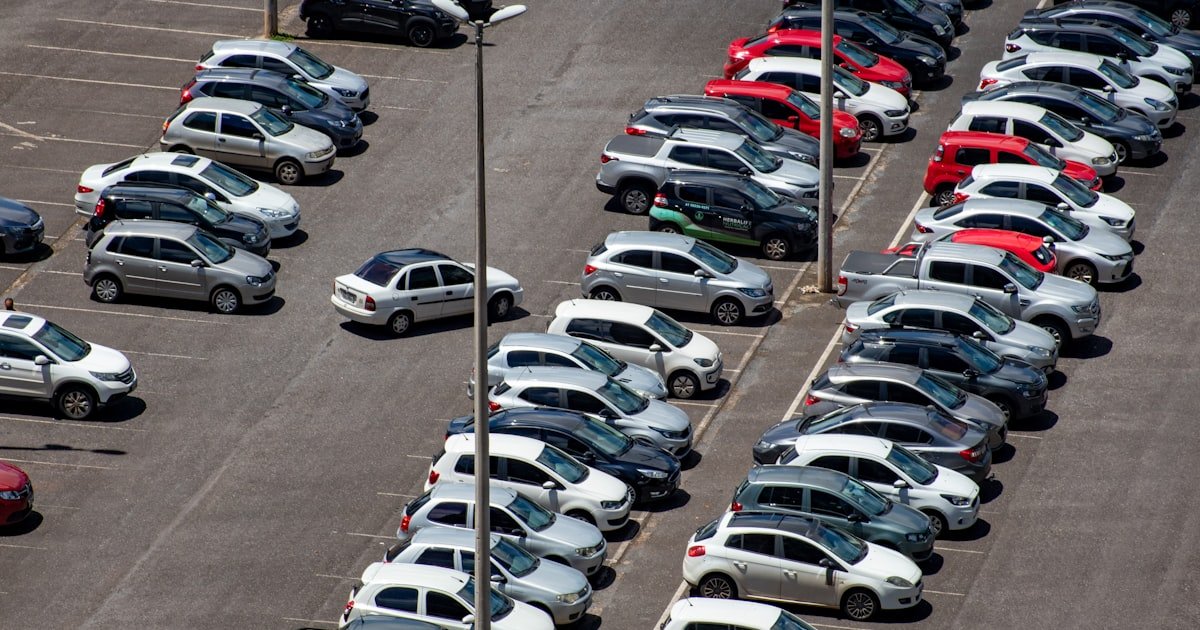
To prevent vehicle theft across a fleet, you need more than a good lock and hope. A stolen vehicle isn’t just the cost of the vehicle - it’s the lost work, the missed jobs, the insurance excess and the disruption of being a vehicle short. The good news is that theft is one of the most preventable risks a fleet faces, provided you build defences in layers. This guide walks through how.
Why fleets are a target - and why prevention pays
Fleet vehicles are attractive to thieves: they’re often parked in predictable places, sometimes left running during deliveries, and frequently carry valuable tools or cargo. A single theft can cost far more than the vehicle itself once you add downtime, replacement, higher premiums and the knock-on to customer commitments. Because the losses stack up, prevention almost always pays for itself - a point our guide on the real ROI of fleet tracking quantifies in detail.
Theft prevention works in layers
No single measure stops every theft. The most secure fleets combine physical, procedural and technology layers, so that if one is bypassed, the next still catches it. Think of it as deter, detect and respond.
| Layer | Purpose | Examples |
|---|---|---|
| Physical deterrents | Make the vehicle harder to take | Steering locks, secure parking, keys never left in |
| Procedures | Remove easy opportunities | Never leaving vehicles running, locking during stops |
| Detection | Know the instant something’s wrong | GPS tracking, geofencing, movement alerts |
| Response | Stop and recover the vehicle | Remote engine cut, live location for police |
The basics: deterrence and discipline
Before any technology, get the fundamentals right - they’re free and they matter:
- Never leave keys in an unattended vehicle, even for a quick drop-off.
- Never leave the engine running while the driver steps away - a huge share of thefts are opportunistic.
- Park securely overnight: well-lit, ideally gated or covered by cameras.
- Use visible physical deterrents like steering or wheel locks - many thieves move on to an easier target.
- Keep valuables and tools out of sight, or remove them entirely overnight.
These habits close the opportunistic door. But determined thieves get past locks, which is where detection and response come in.
How GPS tracking prevents and recovers theft
A live GPS platform is the single biggest upgrade to fleet security, because it covers both detection and response - the two layers physical measures can’t.
Detection: know the instant a vehicle moves
Real-time GPS tracking shows every vehicle live, and geofencing lets you draw a zone around a depot or yard so you’re alerted the moment a vehicle leaves it - especially out of hours, when no legitimate trip should be happening. Combined with movement and ignition alerts, you learn about a theft in seconds, not when the driver turns up to a missing vehicle the next morning. Our explainer on geofencing for fleets covers the practical setups.
Response: stop the vehicle remotely
This is where a fleet platform decisively beats a consumer tracker. A basic tracker might show you where the stolen vehicle went; a platform with remote engine immobilisation lets you cut the engine and stop it. That’s the difference between watching a theft happen and preventing the loss. Because Fleetile’s hardware is professionally hardwired to the ignition, immobilisation is reliable and the device itself is hidden and hard to remove.
Recovery: hand police a live location
If a vehicle is taken, live GPS gives you and the authorities its exact position in real time - dramatically improving the odds of fast recovery before the vehicle is stripped or moved on.
If you’re weighing a proper fleet platform against a cheap plug-in unit for this exact job, GPS fleet tracking vs. car trackers spells out why the difference matters most at the moment of a theft.
A practical anti-theft checklist
Pull it together into a routine your drivers and managers can actually follow:
- Keys out, doors locked and engine off on every stop - no exceptions.
- Secure, well-lit parking overnight, with physical locks fitted.
- GPS tracking active on every vehicle, with a fast update rate.
- Geofences around depots and yards, with out-of-hours movement alerts on.
- Remote engine cut enabled and your team trained to use it.
- A clear response plan: who gets alerted, who immobilises, who calls police.
Layered like this, most thefts are either deterred outright or stopped before the vehicle gets far. You can see how tracking, geofencing and remote immobilisation fit together on the platform overview, and for the wider picture of protecting your vehicles day to day, our guide on how to track company vehicles is a good next read.
Frequently asked questions
What is the best way to prevent fleet vehicle theft?
Layer your defences. Combine physical deterrents and disciplined key/engine habits with real-time GPS tracking, geofencing alerts and remote engine immobilisation. Each layer catches what the previous one misses, and the combination stops most thefts before they succeed.
Can GPS tracking actually stop a car from being stolen?
Tracking alone tells you a theft is happening; paired with remote engine immobilisation it lets you stop the vehicle. With a hardwired device connected to the ignition, you cut the engine remotely - turning a potential total loss into a stalled vehicle waiting for recovery.
How does geofencing help with theft?
Geofencing draws a virtual boundary around a depot or yard and alerts you the instant a vehicle crosses it. Out of hours, when no legitimate trip should be running, that alert is often your first and fastest warning that a vehicle is being taken.
Is a hidden, hardwired tracker better than a plug-in one for security?
Yes. A plug-in unit is easy to spot and unplug - the first thing a thief does. A professionally hardwired device is concealed, harder to remove, keeps reporting on backup power if tampered with, and can be wired for remote engine cut.
See fleet security in action
The moment that matters is when a vehicle starts moving without permission. Get a Fleetile demo and see real-time tracking, geofencing alerts and remote engine immobilisation working on live vehicles - the exact tools that prevent vehicle theft and recover what’s yours.
Leave a Reply